

A full guide to uneven skin tone, including types, causes, prevention strategies, and clinically-backed treatments to restore a radiant, balanced complexion.
Condition
Uneven Skin Tone

Overview
Uneven skin tone is a common skin concern where the complexion appears patchy, blotchy, or dull.
While it is not medically harmful, it can affect confidence and perceived age. The condition is caused by pigmentation irregularities, redness, vascular changes, sun damage, inflammation, and natural ageing.
Fortunately, modern aesthetic treatments and professional skincare allow you to restore balance, improve texture, and achieve a healthy, luminous complexion.

What Is Uneven Skin Tone?
Uneven skin tone refers to variations in skin colour and texture across the face or body. It goes beyond minor imperfections and can be classified into several types:
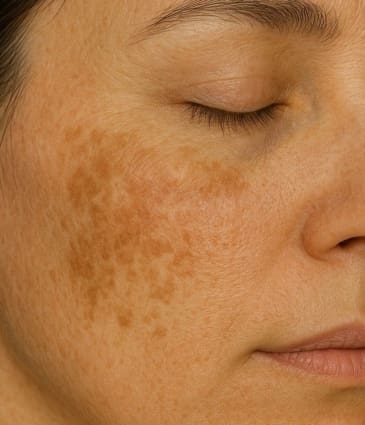
- Hyperpigmentation: Darker areas of the skin due to excess melanin. Includes sunspots, age spots, post-inflammatory hyperpigmentation (PIH), and melasma. These patches often worsen with sun exposure and inflammation.
- Hypopigmentation: Lighter areas of skin caused by melanin loss, often after injury, eczema, or conditions like vitiligo.
- Redness / Erythema: Persistent pink or red areas due to vascular dilation, rosacea, broken capillaries, or chronic inflammation.
- Dullness: Overall lack of radiance due to dead skin accumulation, dehydration, slow cell turnover, or poor microcirculation.
Uneven tone often results from an imbalance in skin regeneration and melanin distribution. Inflammation, UV exposure, or hormonal changes can trigger overproduction of pigment in some areas, while other regions may remain pale. Vascular changes may also cause persistent redness or blotchiness.

Causes of Uneven Skin Tone
Uneven skin tone is multifactorial, influenced by intrinsic and extrinsic factors. Key contributors include:
- Sun Exposure: Ultraviolet (UV) radiation stimulates melanin production, leading to sunspots, freckles, and pigmentation irregularities. Chronic exposure also accelerates collagen breakdown, causing texture changes that accentuate unevenness.
- Hormonal Changes: Fluctuations during pregnancy, menopause, or from contraceptive use can trigger melasma or patchy pigmentation.
- Inflammation and Acne: Post-inflammatory hyperpigmentation occurs after acne, eczema, or injury, leaving dark marks or scars.
- Aging: Collagen and elastin decline with age, resulting in dullness, uneven texture, and accentuated pigmented areas.
- Lifestyle Factors: Smoking, poor diet, lack of hydration, and insufficient sleep compromise skin repair and regeneration.
- Genetics: Some individuals are predisposed to uneven pigment distribution, sensitivity, or slower cell turnover.
- Environmental Stressors: Pollution, oxidative stress, and harsh chemicals disrupt skin barrier function, leading to redness, irritation, and patchiness.
How to Prevent or Minimise Uneven Skin Tone
Prevention focuses on protecting the skin, supporting healthy turnover, and reducing triggers.
- Sun Protection: Daily use of broad-spectrum SPF is essential to prevent pigmentation and further unevenness. Protective clothing and avoiding peak sun hours enhance results.
- Gentle Skincare Routine: Using medical-grade cleansers and moisturisers preserves barrier function, while antioxidants, niacinamide, and vitamin C help protect against oxidative stress and brighten the complexion.
- Exfoliation and Cell Turnover: Gentle chemical exfoliants like AHAs or BHA encourage removal of dead skin cells, revealing brighter, more even skin. Over-exfoliation should be avoided as it can worsen sensitivity and redness.
- Hydration and Nutrition: Drinking water, eating antioxidant-rich foods, and supplementing with skin-supportive nutrients aid regeneration and improve tone.
- Lifestyle Habits: Limiting smoking and alcohol, managing stress, and ensuring adequate sleep all contribute to even, healthy skin.
- Targeted Treatments: Addressing early signs of unevenness with proactive treatments like chemical peels or professional medical-grade skincare prevents worsening over time.
Non-Surgical Treatments for Uneven Skin Tone
Treatments for uneven skin tone vary greatly depending on the type and extent of the condition. Generally, we recommend addressing uneven skin tone with:
1. Medical-Grade Skincare
Medical-grade products form the foundation for managing uneven skin tone. They contain clinically validated ingredients at higher concentrations than cosmetic products.
Key ingredients and benefits:
- Retinoids: Promote cell turnover and collagen formation.
- Vitamin C: Brightens skin and provides antioxidant protection.
- Niacinamide: Reduces redness, pigmentation, and strengthens the barrier.
- Azelaic Acid: Targets pigmentation and irritation.
- Peptides: Support structural repair and even tone.
Ideal for early pigmentation, dullness, and minor redness. Consistent use improves texture and prevents future unevenness.
2. Chemical Skin Peels
Skin peels use controlled chemical solutions to remove the top layers of damaged skin, promoting regeneration and brightness.
- AHA Peels: Mild, suitable for dullness and light pigmentation.
- TCA Peels: Deeper penetration for stubborn pigmentation and textural irregularities.
- Combination Peels: Customised solutions targeting multiple issues.
Peels are particularly effective for sunspots, acne-related pigmentation, and uneven texture.
3. Microneedling
A minimally invasive treatment, microneedling creates controlled micro-injuries, stimulating collagen and elastin production.
Benefits include:
- Improved firmness and texture
- Fading pigmentation and redness
- Enhanced absorption of active serums
Ideal for early wrinkles, patchy pigmentation, and dull skin.
4. Skin Boosters
Injectable treatments, like skin boosters, that deliver hyaluronic acid and bioactive ingredients directly to the dermis.
- Improve hydration and elasticity
- Enhance radiance
- Support healthy cell renewal
- Smooth uneven texture
Perfect for dehydrated or dull skin with patchy areas.
5. Laser and IPL Treatments
- Intense Pulsed Light (IPL): Targets redness, brown spots, and overall discolouration.
- Fractional Laser Resurfacing: Addresses deeper pigmentation, improves texture, and stimulates collagen.
These treatments are suitable for more advanced unevenness, stubborn pigmentation, and textural irregularities.
Key Takeaways
- Uneven skin tone can present as pigmentation, redness, dullness, or texture irregularities.
- Causes are multifactorial, including sun damage, hormones, inflammation, lifestyle, and genetics.
- Prevention is crucial: sun protection, gentle skincare, hydration, and healthy lifestyle choices.
- Effective treatments include chemical peels, microneedling, medical-grade skincare, skin boosters, and laser therapies.
- Combining professional treatments with consistent at-home care delivers the best long-term results.
Conclusion
Uneven skin tone is a widespread concern that can affect anyone. It often develops due to a mix of sun exposure, hormonal changes, inflammation, and the natural aging process. While it may feel frustrating, there are clear, effective ways to improve and maintain skin balance.
Protecting your skin daily with SPF, gentle cleansers, and antioxidant-rich products is the first essential step. Professional treatments such as medical-grade skincare, chemical peels, microneedling, skin boosters, and laser therapies can correct visible unevenness, restore radiance, and improve texture.
Consistency is key. Combining at-home care with clinical interventions ensures long-lasting results and helps prevent new areas of unevenness from forming.
At Dr Hass Clinic, we tailor personalised, clinically validated treatment plans to each individual, addressing your unique skin concerns and delivering natural, long-lasting improvements.
FAQs
Can uneven skin tone be completely corrected?
Mild to moderate unevenness can often be significantly improved with consistent at-home care and professional treatments, but results depend on severity and skin type.
Are medical-grade skincare products necessary?
Yes. Higher concentrations and clinically validated ingredients ensure better results compared to over-the-counter products.
How long before I see results?
Topical treatments may take 4–12 weeks, while professional interventions like peels or microneedling often show improvement in 2–4 sessions.
Can lifestyle changes help?
Absolutely. Sun protection, hydration, antioxidant-rich nutrition, stress management, and good sleep support long-term evenness.
Is combination therapy better?
Yes. Combining topical, procedural, and preventive strategies usually delivers the most noticeable and lasting results.

Related Treatments


Related Conditions




Our Clinic
Your Sanctuary
Welcome to our clinic, where innovation, expertise, and personalised care merge to redefine your natural beauty. We specialise in providing a wide range of non-invasive treatments that deliver remarkable results without the need for surgery.
Don’t Take Our Word For it…




Our clients’ satisfaction is at the heart of everything we do. We take immense pride in helping individuals enhance their natural beauty and boost their confidence.