

Discover what sun damage really is, how to recognise it, how to prevent it and the most effective treatments to reverse it.
Condition
Sun Damage
Overview
Sun damage is one of the most common skin concerns worldwide.
It is also one of the most misunderstood. Many people think it is simply about “a bit of pigmentation” or “getting wrinkles early”. In reality, sun damage is a complex biological process that affects the structure, behaviour and long-term health of the skin.
This guide breaks down exactly what sun damage is, how it progresses, how to prevent it, and the most effective treatment options available today.

What Is Sun Damage?
Sun damage, also called photoageing, refers to the structural and functional changes in the skin caused by prolonged exposure to UV radiation. Unlike chronological ageing, photoageing is completely preventable and largely reversible with the right approach.
- UVB: high-energy rays that cause sunburn, DNA damage, and contribute to skin cancer.
- UVA: lower-energy, penetrates deeper, accelerates collagen breakdown, wrinkles, sagging and pigmentation.
- Visible and Infrared Light: increasingly recognised contributors to melasma, redness, and collagen degradation.
Over time, these effects accumulate, leading to visible and invisible skin changes.

What Does Sun Damage Look Like?
Sun damage can manifest in many ways. Some appear early; others only show after years of exposure.
Common Visible Signs:
- Fine lines and wrinkles that appear sooner and more deeply
- Uneven skin tone
- Freckles and sunspots (solar lentigines)
- Melasma patches
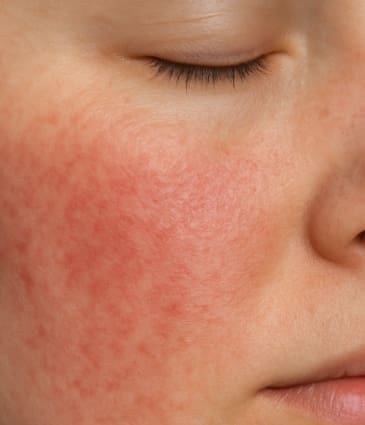
- Redness and broken capillaries
- Rough or scaly patches
- A dull, dehydrated look
- Loss of elasticity and firmness
Deeper, structural changes:
- Collagen density decreases
- Elastin fibres become disorganised
- Cellular turnover slows
- DNA repair mechanisms weaken
These deeper changes are why reversing sun damage requires medical-grade interventions, not just cosmetic products.
Causes of Sun Damage
Sun damage is not simply caused by “being outside too much”. It occurs through several biological pathways working simultaneously.
1. Direct DNA Damage:
UVB rays physically disrupt DNA in skin cells, leading to:
- sunburn
- mutations
- uneven pigmentation
- long-term cancer risk
DNA damage also slows normal cell function and repair.
2. Breakdown of Collagen and Elastin:
UVA triggers enzymes called matrix metalloproteinases (MMPs). These rapidly break down collagen and elastin, leading to:
- deeper wrinkles
- laxity
- a rough skin texture
This is why UVA is often called the ageing ray.
3. Chronic Inflammation:
Sun exposure increases inflammatory molecules in the skin, contributing to:
- persistent redness
- rosacea flares
- blotchy pigmentation
- increased sensitivity
Inflammation also accelerates ageing.
4. Oxidative Stress
UV exposure produces free radicals that:
- damage lipids, proteins and DNA
- dull the complexion
- accelerate collagen breakdown
- reduce barrier health
Antioxidants are critical to counter this pathway.
5. Overproduction of Melanin
Melanocytes work overtime in response to UV, leading to:
- sunspots
- melasma
- patchy pigmentation
For many people, pigment issues become the most visible sign of sun damage.
How to Prevent and Minimise Sun Damage
Prevention is incredibly powerful. Even if you already have signs of sun damage, these strategies prevent further harm and make treatments more effective.
1. Daily Broad-Spectrum SPF (Non-Negotiable):
Apply SPF 30 or 50 every morning, even when cloudy.
Key things people get wrong:
- Not applying enough
- Not reapplying when outdoors
- Forgetting high-risk areas (ears, neck, chest, hands)
A daily high-quality SPF is the most impactful anti-ageing habit.
2. Antioxidants Every Morning:
Vitamin C, niacinamide or advanced antioxidant blends help:
- neutralise free radicals
- brighten the skin
- reduce pigmentation
- support collagen
Medical grade options are significantly more stable and effective.
3. Skin Barrier Support:
A healthy barrier improves resilience to UV stress. Look for:
- ceramides
- fatty acids
- peptides
- humectants like hyaluronic acid
4. Avoid Peak Sun:
Between 11 am and 3 pm when UV is highest.
5. Protective Clothing:
Hats, sunglasses, UPF clothing and shade all make a measurable difference.
Home Remedies for Sun Damage
These will not reverse deeper damage but can support overall brightness and skin health.
1. Green Tea Compress
Rich in EGCG, helps calm inflammation and redness.
Brew, cool, soak cotton pads, apply for 10 minutes.
2. Honey and Yoghurt Brightening Mask
Lactic acid + natural enzymes gently exfoliate and brighten.
3. Turmeric and Aloe Gel Paste
Anti-inflammatory and soothing. Helps with mild pigmentation.
4. Oat and Honey Gentle Exfoliant
Great for sensitive or sun-reactive skin. Supports barrier repair.
5. Cucumber and Rose Water Mist
Hydrating and calming. Helps reduce heat and redness after sun exposure.
The Most Effective Professional Treatments for Sun Damage
1. Medical Grade Skincare
Medical grade skincare is the most reliable foundation for reversing sun damage. These formulas contain clinically proven, high-strength ingredients that go deeper than cosmetic products.
How it helps:
Retinoids boost collagen and accelerate cell renewal, which gradually softens fine lines and sunspots. Vitamin C brightens pigmentation and protects against further UV-induced damage. Niacinamide helps calm redness and regulate pigment formation. Azelaic acid supports pigmentation control for sensitive or redness-prone skin, while peptides encourage the skin to rebuild strength and elasticity.
This approach is ideal for early sun damage, including uneven tone, dullness, mild pigmentation, and rough texture. With consistent use, it enhances the results of in-clinic treatments and maintains long-term improvement.
2. Chemical Skin Peels
Chemical peels are one of the most effective clinic treatments for visibly damaged skin. They work by removing the dull, damaged upper layers of skin and triggering regeneration beneath.
Why they work:
AHA peels such as glycolic or lactic acid brighten and smooth the surface, making them perfect for early pigmentation. TCA peels penetrate deeper and improve stubborn sunspots, fine lines and rough texture. Combination peels blend several acids to treat multiple concerns at once, giving a clearer, brighter complexion.
Chemical peels are particularly effective for pigmentation, sunspots, patchy tone, early lines and a sun-frazzled appearance.
3. Skin Boosters
Skin boosters deeply hydrate and restore vitality to sun-stressed skin. These injectable treatments infuse the skin with soft hyaluronic acid and bioactive ingredients, improving quality from within.
Benefits include:
Restoring hydration, improving elasticity, smoothing fine lines and reviving the glow that chronic sun exposure often diminishes.
They are especially helpful for crepey texture, dehydration, dullness and loss of radiance.
4. Microneedling
Microneedling is a powerful collagen-stimulating treatment for structural sun damage. Fine needles create controlled micro-channels in the skin, prompting natural repair.
What it improves:
Firmness, fine lines, enlarged pores, pigmentation irregularities and overall texture. Over a series of treatments, the skin becomes noticeably smoother and stronger as new collagen forms.
Ideal for those with early wrinkles, uneven tone and mild to moderate sun-induced thinning.
5. IPL (Intense Pulsed Light)
IPL is one of the best treatments for sun-related pigmentation and redness. It uses targeted pulses of light to break down:
- Brown pigment from sunspots
- Redness and visible vessels from chronic sun exposure
The result: clearer, brighter skin with more even tone and minimal downtime. IPL is ideal for those wanting pigment correction without aggressive resurfacing.
6. Laser Skin Rejuvenation
Fractional laser treatment targets deeper, long-term sun damage that has affected collagen, texture and pigment.
How it works:
Non-ablative lasers heat the skin to stimulate collagen, improving firmness and subtle lines. Ablative fractional lasers resurface damaged tissue, smoothing texture and significantly improving deep wrinkles and stubborn pigmentation.
Best suited for advanced sun damage, such as leathery texture, etched-in lines and long-standing sunspots.
Key Takeaways
- Sun damage is cumulative, meaning every bit of unprotected exposure adds up over your lifetime.
- UVB causes burns, UVA causes ageing, and visible/infrared light also contribute to pigmentation and inflammation.
- Prevention is powerful. Consistent daily SPF use is the single most effective anti-ageing step.
- The most effective treatments for sun damage include medical grade skincare, chemical peels, skin boosters, and advanced light/laser therapies.
- You can significantly reverse the visible signs of sun damage with the right plan.
Conclusion: Reversing Sun Damage is Absolutely Possible
Sun damage may be incredibly common, but it does not have to be permanent. With the right combination of prevention, high-quality skincare and targeted professional treatments, you can dramatically improve pigmentation, texture, radiance and overall skin health.
At Dr Hass Clinic, we specialise in restoring skin that has been affected by years of sun exposure. Our team uses a personalised, evidence-based approach to rebuild clarity, brightness and youthful structure while protecting the skin from further harm. If you want clearer, smoother and healthier skin, we can guide you with the most effective and modern treatment options.
FAQs
What is the best treatment for sunspots?
For sunspots, IPL is one of the most effective options. It selectively targets pigment, causing dark spots to fade over several sessions. Chemical peels and retinoids also help by increasing cell turnover and brightening the skin.
How long does it take to see results from sun damage treatments?
Most people start seeing improvements within four to six weeks with medical grade skincare. In-clinic treatments such as chemical peels, IPL and microneedling often show visible changes after one to three sessions, with optimal results developing over several months.
Does SPF really prevent ageing?
Absolutely. Daily SPF is the single most impactful anti ageing step. Up to 80 to 90 percent of visible ageing signs are linked to sun exposure. Consistent protection slows collagen breakdown, prevents pigment formation and reduces long term skin damage.
Can sun damage cause permanent skin changes?
If left untreated, sun damage can lead to permanent pigmentation, texture changes and an increased risk of skin cancer. Early intervention with professional treatments and daily SPF greatly reduces long term impact.
What is the difference between UVA and UVB?
UVA penetrates more deeply and causes premature ageing, collagen breakdown and pigmentation. UVB affects the surface, causing sunburn and DNA damage. Both contribute to long term skin changes, so broad-spectrum protection is essential.
Is laser treatment safe for sun damaged skin?
Yes, when performed by trained professionals. Non-ablative and fractional lasers stimulate collagen and improve pigmentation and texture. A proper consultation ensures safety, especially for darker skin tones.
How can I repair sun damage at home?
Daily SPF, retinoids, antioxidants like vitamin C, niacinamide and barrier-supporting moisturisers all help. However, deeper damage usually requires professional intervention for best results.

Related Treatments


Related Conditions



Our Clinic
Your Sanctuary
Welcome to our clinic, where innovation, expertise, and personalised care merge to redefine your natural beauty. We specialise in providing a wide range of non-invasive treatments that deliver remarkable results without the need for surgery.
Don’t Take Our Word For it…






Our clients’ satisfaction is at the heart of everything we do. We take immense pride in helping individuals enhance their natural beauty and boost their confidence.