Discover a complete guide to skin redness. Learn why it happens, how to prevent it, and effective treatments to restore calm, healthy, and balanced skin.
Condition
Skin Redness
Overview
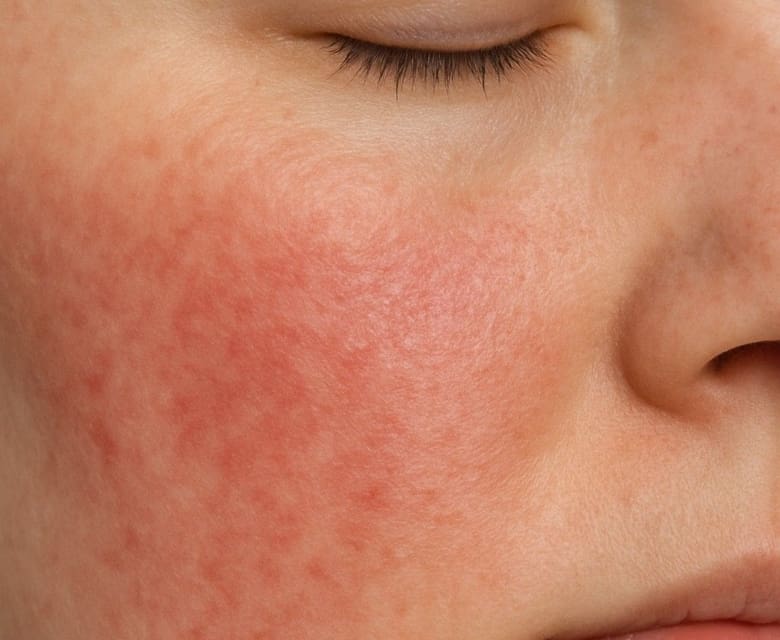
Skin redness is a common concern that can make the complexion appear inflamed, uneven, or sensitive. It can be temporary, such as blushing or irritation, or persistent, as seen in conditions like rosacea, acne-related redness, or post-inflammatory erythema.
Redness affects confidence and may be a sign of underlying skin imbalance. Fortunately, modern aesthetic treatments and targeted skincare strategies can calm, protect, and strengthen the skin, reducing both visible redness and the likelihood of flare-ups.
This guide explores the causes of skin redness, prevention tips, non-surgical and professional treatments, and actionable advice to maintain healthy, balanced skin.

What Is Skin Redness?
Skin redness is characterised by visible flushing, blotchiness, or persistent pink to red areas on the face. It can affect cheeks, nose, forehead, or the entire face. Redness often occurs due to blood vessel dilation, inflammation, or skin sensitivity, and can appear alongside other signs like bumps, dryness, or irritation.
Common types of skin redness include:
- Rosacea: Chronic redness with visible small blood vessels and sometimes papules or pustules.
- Acne-related Redness: Red marks and inflammation following breakouts.
- Post-Procedure Redness: Temporary flushing after treatments or irritation.
- Environmental or Irritation-Induced Redness: Triggered by sun exposure, heat, wind, or harsh products.
Causes of Skin Redness
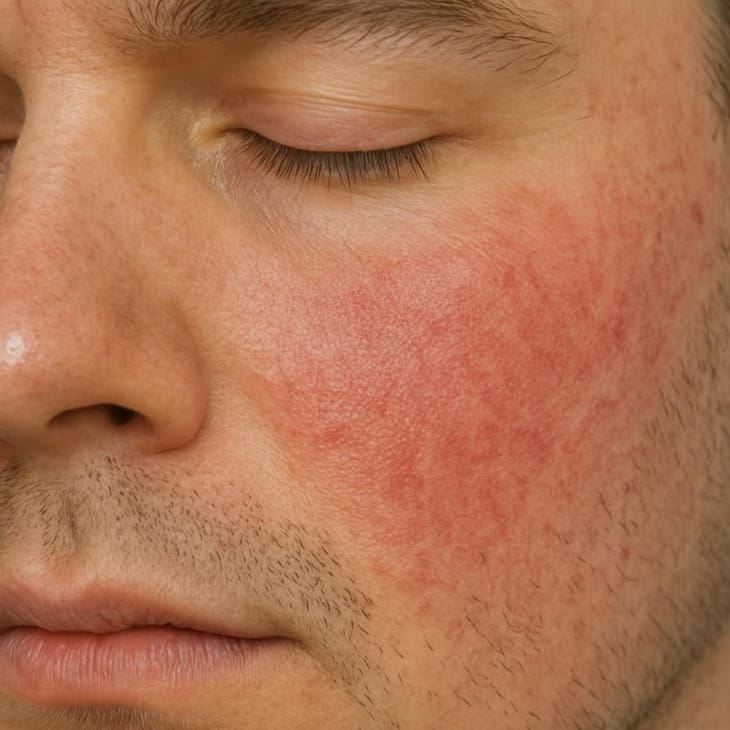
Understanding the root causes is key to effective prevention and treatment:
- Genetics: Some individuals are naturally predisposed to sensitive skin or rosacea.
- Inflammation: Breakouts, eczema, or allergic reactions trigger redness through immune response.
- Dilated Capillaries: Thin or fragile skin can reveal tiny blood vessels.
- Environmental Factors: Sun exposure, wind, temperature extremes, and pollution exacerbate redness.
- Lifestyle Factors: Alcohol, spicy foods, smoking, stress, and inadequate sleep can trigger flushing.
- Skin Barrier Damage: Overuse of harsh cleansers, exfoliants, or stripping ingredients weakens the skin, increasing reactivity.
- Medical Conditions: Rosacea, eczema, psoriasis, or post-acne erythema.
Persistent redness is often multifactorial, meaning multiple triggers need addressing for optimal results.
How to Prevent or Minimise Skin Redness
While some redness is unavoidable, strategies to strengthen and protect the skin can significantly reduce its appearance:
1. Skin Barrier Care
- Gentle Cleansing: Use mild, pH-balanced cleansers to avoid stripping natural oils.
- Hydration: Apply moisturisers rich in ceramides, hyaluronic acid, and peptides to reinforce the skin barrier.
- Avoid Irritants: Fragrances, alcohol-heavy products, and harsh exfoliants can worsen redness.
2. Sun Protection
- Daily SPF 30+ shields skin from UV damage, which can trigger inflammation and visible capillaries.
- Physical sunscreens with zinc oxide or titanium dioxide are particularly soothing.
3. Diet and Lifestyle
- Reduce triggers like alcohol, caffeine, spicy foods, and excessive heat.
- Eat anti-inflammatory foods rich in antioxidants, omega-3 fatty acids, and vitamins C and E.
- Manage stress and ensure sufficient sleep to prevent inflammatory flare-ups.
4. Environmental Adjustments
- Use humidifiers in dry climates to prevent skin dehydration.
- Avoid sudden temperature changes or hot showers which can dilate blood vessels.
5. Gentle Home Treatments
- Green tea compress: Anti-inflammatory properties can calm redness.
- Oatmeal masks: Soothing and anti-itch effects.
- Aloe vera gel: Cools and hydrates sensitive areas.
- Chamomile-infused water: Mild anti-inflammatory and calming effect.
- Cucumber slices or cold compresses: Temporarily constrict blood vessels and reduce flushing.
Clinical Treatments for Skin Redness
Here are some of the most popular and effective treatments for skin redness.
1. Medical-Grade Skincare
What It Is & How It Works:
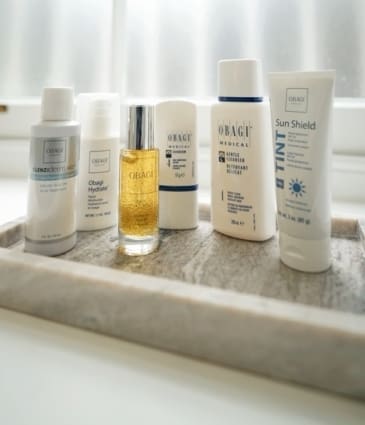
Medical-grade skincare provides specialist formulations that target inflammation, strengthen the skin barrier, and reduce sensitivity. Products with niacinamide, ceramides, panthenol, and antioxidants calm redness and prevent flare-ups.
Benefits:
- Reduces chronic redness
- Protects against environmental triggers
- Improves overall skin tone and texture
Results:
- Gradual improvement over 4–8 weeks
- Long-term reduction in sensitivity with consistent use
Downtime:
- None
2. Chemical Peels
What It Is & How It Works:
Gentle chemical peels exfoliate dead skin cells and promote cellular renewal. When tailored for sensitive skin, mild peels can reduce post-inflammatory redness and improve texture.
Benefits:
- Smooths skin surface
- Diminishes post-acne or irritation-related redness
- Stimulates collagen production to reinforce skin strength
Results:
- Visible improvement after 1–2 sessions
- Full results over multiple treatments
Downtime:
- Mild redness or flaking for 1–3 days
3. Laser and Light-Based Therapies
Options: Pulsed dye laser (PDL), IPL (intense pulsed light)
What It Is & How It Works:
Targets visible blood vessels, reduces flushing, and improves overall tone. Excellent for rosacea or persistent vascular redness.
Benefits:
- Reduces visible capillaries
- Minimises flare-ups
- Improves complexion uniformity
Results:
- Noticeable improvement after 1–3 sessions
- Maintenance may be needed for chronic conditions
Downtime:
- Mild redness and swelling for 1–2 days
4. Skin Boosters and Profhilo®
What It Is & How It Works:
Hydrating injectables like skin boosters and Profhilo® improve moisture content and strengthen the dermis, reducing reactivity and making skin more resilient.
Benefits:
- Improves hydration and elasticity
- Reduces visible irritation and redness
- Supports long-term skin health
Results:
- Gradual improvement over 2–4 weeks
- Effects last 6–9 months
Downtime:
- Minimal; slight swelling or redness possible
5. Microneedling
What It Is & How It Works:
Microneedling creates micro-channels in the skin that stimulate collagen production and improve barrier function, helping reduce persistent redness from post-acne marks or sensitive skin.
Benefits:
- Enhances skin strength
- Reduces inflammation
- Improves texture and tone
Results:
- Gradual improvement over 4–6 weeks
- Optimal results after 3–6 sessions
Downtime:
- Mild redness and sensitivity for 1–2 days
Advanced Options
Reserved for severe or resistant cases, particularly rosacea or post-traumatic vascular issues:
- Laser Resurfacing: Fractional CO₂ or Er:YAG lasers for deeply scarred or thickened skin
- Vascular Laser Therapy: Treats persistent, visible blood vessels
These treatments are typically combined with skincare and topical management to prevent recurrence and maximise results.
Key takeaways
- Skin redness can be caused by genetics, inflammation, environmental factors, and lifestyle choices.
- Preventive care is crucial: gentle cleansing, barrier protection, sun protection, and avoiding triggers.
- Medical-grade skincare is foundational for calming and strengthening reactive skin.
- Professional treatments such as chemical peels, laser therapy, skin boosters, and microneedling provide targeted, long-lasting improvements.
- Lifestyle adjustments and home remedies support long-term results.
- Comprehensive approach combining preventive, professional, and at-home care ensures the most natural and lasting results.
Conclusion
Skin redness is a common but manageable concern. With a combination of medical-grade skincare, professional treatments, and smart lifestyle choices, you can achieve calm, resilient, and radiant skin.
At Dr Hass Clinic, we create personalised treatment plans tailored to your skin type, triggers, and goals, helping you reduce redness, improve tone, and protect your skin for the long term.
FAQs
How long does it take to see improvement?
Depends on treatment type: skincare results in 4–8 weeks, chemical peels 1–2 sessions, laser therapy may show improvement after 1–3 sessions.
Are these treatments safe for sensitive skin?
Yes, when customised and administered by trained practitioners. Patch testing and professional guidance are essential.
Can home remedies help?
Yes. Gentle natural ingredients like aloe vera, chamomile, cucumber, and green tea can soothe skin temporarily and complement professional care.
Do lifestyle factors matter?
Absolutely. Avoiding triggers such as sun exposure, alcohol, spicy foods, and extreme temperatures reduces flare-ups and improves skin resilience.
Related Treatments


Our Clinic
Your Sanctuary
Welcome to our clinic, where innovation, expertise, and personalised care merge to redefine your natural beauty. We specialise in providing a wide range of non-invasive treatments that deliver remarkable results without the need for surgery.
Don’t Take Our Word For it…
Our clients’ satisfaction is at the heart of everything we do. We take immense pride in helping individuals enhance their natural beauty and boost their confidence.