

Rediscover calmer, clearer, more confident skin with our complete rosacea guide, covering causes, triggers, prevention and the most effective professional treatments available today.
Condition
Rosacea

Overview
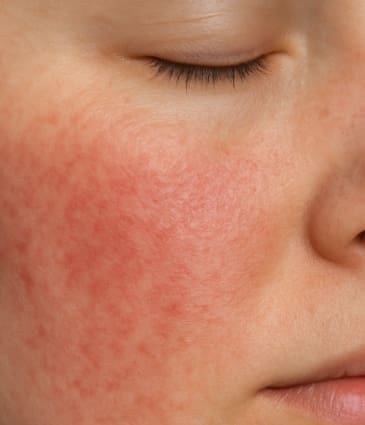
Rosacea is a chronic inflammatory skin condition that causes persistent redness, visible blood vessels, flushing and sometimes acne-like bumps.
It tends to flare in cycles, triggered by environmental factors, stress, diet and temperature changes. Although extremely common, it is frequently misunderstood and often mismanaged.
This guide explores what rosacea is, why it develops, the different types, how to prevent flare-ups, and the most effective professional treatments available to calm inflammation and restore skin confidence.

What Is Rosacea?
Rosacea is a long-term condition that affects the skin’s vascular and inflammatory systems.
It usually appears on the cheeks, nose, chin and forehead, although the neck and chest can also be affected. People often describe it as persistent redness that never fully fades, easily triggered flushing, or breakouts that resemble acne but do not respond to standard acne products.
Rosacea is not caused by poor hygiene, and it is not an allergy. Instead, it is linked to genetic sensitivity, abnormal blood vessel reactions, an overactive immune response and a compromised skin barrier. When these systems become overly reactive, the skin cannot regulate inflammation effectively.
Common symptoms include:
- Persistent redness
- Flushing that comes and goes
- Sensitive, reactive skin
- Visible capillaries
- Acne-like bumps or papules
- Skin dryness or burning sensations
Rosacea is a highly individual condition. No two patients experience identical triggers or symptoms, so personalised care is essential.
The Different Types of Rosacea
Understanding your subtype is key to choosing the right treatment.
1. Erythematotelangiectatic Rosacea (ETR)
Characterised by persistent redness, flushing and broken capillaries. Skin may feel warm, sensitive or irritated.
2. Papulopustular Rosacea
Often mistaken for acne. Features include red bumps, pustules and inflamed patches, usually alongside background redness.
3. Phymatous Rosacea
A rarer form that causes thickened, uneven skin texture, most commonly affecting the nose.
4. Ocular Rosacea
Affects the eyes, causing redness, dryness, irritation and sensitivity to light.
Many people have a combination of subtypes.

What Causes Rosacea
Rosacea is multifactorial. There is never just one cause, which is why it requires a layered approach to management.
1. Genetics and Inherited Sensitivity
Rosacea often runs in families. People with naturally fair, reactive skin or Northern European ancestry are more prone, although rosacea affects all skin tones.
2. Vascular Hyperreactivity
The blood vessels in rosacea-prone skin dilate too easily. Heat, stress or alcohol can trigger sudden flushing, which over time becomes persistent redness.
3. Skin Barrier Dysfunction
When the barrier is compromised, irritants can penetrate more easily, and moisture escapes more readily. This increases inflammation and reactivity, causing a cycle of ongoing flushing and sensitivity.
4. Immune System Overactivity
Research shows that rosacea-prone skin produces higher levels of inflammatory molecules. This overactive response can cause papules, swelling and chronic irritation.
5. Demodex Mites
Everyone has these microscopic mites, but people with rosacea tend to have a higher density. Their presence may contribute to inflammation, particularly in papulopustular rosacea.
6. Triggers and Lifestyle Factors
Rosacea flare-ups are often worsened by external factors, including:
- Sun exposure
- Hot drinks and spicy foods
- Temperature extremes
- Alcohol
- Stress or intense exercise
- Certain skincare products
- Wind and pollution
Not every trigger affects every patient, which is why identifying your personal pattern is important.
How to Prevent or Reduce Rosacea Flare-Ups
Prevention is a central part of rosacea management. While rosacea cannot be fully “cured”, it can be significantly controlled with the right habits.
1. Sun Protection Every Day
UV exposure is one of the strongest triggers. Use:
- A broad-spectrum SPF 30 or higher
- Mineral filters if your skin is highly reactive
- Daily use, not only in sunny weather
2. Strengthening the Skin Barrier
Rosacea-prone skin thrives on barrier-repair routines. Look for:
- Ceramides
- Glycerin
- Niacinamide
- Hyaluronic acid
- Fatty acids
Avoid harsh scrubs, essential oils, alcohol-based toners or highly fragranced products.
3. Trigger Management
Keep a simple diary to track flare-up patterns. Common triggers include heat, steam rooms, red wine, spicy foods, stress and vigorous exercise. Identifying patterns helps you adapt your lifestyle without unnecessary restriction.
4. Gentle, Consistent Skincare
Use cool water, soft cloths, non-foaming cleansers and lightweight moisturisers. Rosacea responds better to consistency than aggressive treatments.
5. Managing Stress
Stress-induced flushing is common. Techniques such as breathwork, gentle exercise or mindfulness can reduce flare frequency.
6. Avoiding Over-Exfoliation
Acids, retinoids and scrubs must be used cautiously. Overuse can rapidly destabilise the barrier and worsen redness.
Professional Treatments for Rosacea
1. Medical-Grade Skincare
Medical-grade skincare provides one of the most important foundations for rosacea treatment.
These formulas use stabilised, clinically tested ingredients at concentrations proven to reduce inflammation and support the barrier.
Benefits include:
- Calmer, less reactive skin
- Reduced redness over time
- Strengthened barrier function
- Improved hydration and comfort
- Better tolerance to other treatments
Ingredients often prescribed for rosacea include azelaic acid, niacinamide, gentle retinoids (when appropriate), peptide complexes and targeted anti-inflammatory formulas.
2. Chemical Skin Peels (Rosacea-Safe Formulations)
Although traditional chemical skin peels are too harsh for rosacea, specially formulated, low-acid or enzyme-based peels can be incredibly effective.
How they help:
- Improve texture and hydration
- Reduce background redness
- Calm inflammation
- Support balanced skin renewal
Best for: mild bumpiness, dullness, dryness, uneven tone and papulopustular flares.
3. Skin Boosters
Skin boosters are hydrating injectable treatments that strengthen fragile, rosacea-prone skin from within.
How they work:
- Deliver soft hyaluronic acid beneath the surface
- Increase hydration and resilience
- Improve texture and luminosity
- Reduce sensitivity over time
They do not treat redness directly, but they enhance the skin’s ability to tolerate triggers and maintain a healthier barrier.
4. IPL (Intense Pulsed Light)
One of the most effective treatments for persistent redness and visible capillaries.
How IPL helps:
- Targets red blood vessels
- Reduces flushing
- Minimises telangiectasia
- Improves overall skin clarity
Most patients see significant improvement after a course of sessions.
5. Laser Rejuvenation
For more advanced cases of vascular rosacea, vascular lasers can be used to constrict problematic vessels and reduce chronic redness.
Benefits include:
- Long-term reduction in diffuse redness
- Smoother, more even tone
- Less sensitivity
- Improved confidence during flare-ups
6. Microneedling (Used Selectively)
Microneedling can be beneficial for texture issues, post-inflammatory redness and skin strengthening, but must be used cautiously. It is not suitable during active, inflamed flare-ups. In the right patient, it boosts collagen and improves resilience.
When to See a Specialist
Seek professional care if you experience:
- Persistent redness that does not fade
- Frequent flushing
- Skin burning or stinging
- Acne-like bumps that do not respond to acne products
- Visible capillaries
- Dry, irritated or sensitive skin
- Eye involvement
At Dr Hass Clinic, we create personalised rosacea management plans that combine medical-grade skincare, trigger control, vascular treatments and supportive therapies to calm inflammation and strengthen the skin long term.
Key Takeaways
- Rosacea results from genetic sensitivity, vascular hyperreactivity, immune overactivity and barrier dysfunction.
- Prevention focuses on sun protection, barrier repair, gentle skincare and identifying personal triggers.
- Treatments such as medical-grade skincare, IPL, vascular laser, enzyme peels and skin boosters significantly improve symptoms.
- Personalised care is essential because rosacea varies greatly between individuals.
Conclusion
Rosacea is a chronic but highly manageable condition.With the right strategy, you can dramatically reduce redness, improve comfort and regain confidence in your skin.
Effective management comes from understanding triggers, protecting the skin barrier, using the right ingredients and choosing professional treatments that target the deeper vascular and inflammatory components.
At Dr Hass Clinic, we specialise in tailored rosacea solutions that reduce flare-ups, minimise redness and restore healthy, balanced skin.
FAQs
What causes rosacea to flare up?
Flare-ups are usually triggered by sun exposure, heat, alcohol, spicy foods, stress, vigorous exercise and harsh skincare. These factors dilate blood vessels and increase inflammation, making redness more visible and persistent.
How can I calm rosacea quickly?
Use a cool compress, apply a gentle hydrating moisturiser and avoid heat, alcohol and exfoliants. Mineral SPF is essential. Severe or frequent flares respond best to medical-grade skincare and professional treatments.
Can rosacea be cured?
There is no permanent cure, but rosacea can be effectively controlled. Most patients achieve long-term improvement with tailored skincare, lifestyle adjustments and treatments such as IPL, vascular laser, skin boosters and rosacea-safe peels.
Which skincare ingredients help rosacea?
Niacinamide, azelaic acid, ceramides, peptides and hyaluronic acid help strengthen the skin barrier and reduce redness. Harsh acids, retinoids and fragranced products often worsen symptoms unless prescribed by a specialist.
What treatments work best for rosacea?
The most effective options include medical-grade skincare, gentle chemical peels, skin boosters, IPL for redness and broken vessels, and vascular laser for more stubborn flushing. A specialist will tailor the plan to your rosacea subtype.
Does rosacea get worse if untreated?
In many cases, yes. Redness can become more persistent, visible vessels can increase and inflammatory bumps may worsen. Early management helps prevent progression and improves long-term skin health.

Related Treatments

Related Conditions




Our Clinic
Your Sanctuary
Welcome to our clinic, where innovation, expertise, and personalised care merge to redefine your natural beauty. We specialise in providing a wide range of non-invasive treatments that deliver remarkable results without the need for surgery.
Don’t Take Our Word For it…




Our clients’ satisfaction is at the heart of everything we do. We take immense pride in helping individuals enhance their natural beauty and boost their confidence.