An in-depth guide to what causes a ‘gummy smile’, tips for preventing it, and the professional treatments that can help reduce its appearance.
Condition
Gummy Smile
Overview
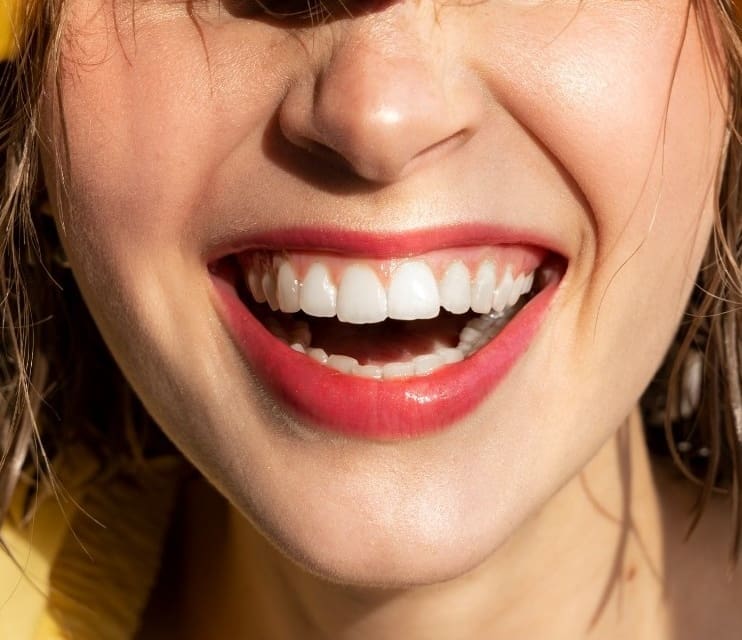
A gummy smile shows excessive upper gum when you smile.
For many people this is a minor cosmetic concern. For others it affects confidence or the perception of facial harmony. The simplest and most effective non-surgical corrections are Botox to relax overactive muscles and lip filler to increase upper lip coverage.
This guide explains why gummy smiles occur, how to reduce the appearance safely, how treatments are performed, what results and risks to expect, and when surgical referral is the better option.

What Is a Gummy Smile?
A gummy smile is generally defined as more than 2–3 millimetres of visible gum when smiling. It can be:
- Mild (2–4 mm visible)
- Moderate (4–6 mm visible)
- Severe (more than 6 mm visible)
The visible gum may be symmetrical or uneven and may be present at rest or only during animation. Correct diagnosis requires looking at the lips, teeth, gums, muscle action and jaw relationship together.
What Causes a Gummy Smile?
A gummy smile can come from one, or a combination, of the following factors:
1. Overactive Upper Lip Muscles
Some people naturally use strong muscles when smiling, especially the levator muscles that lift the upper lip.
- When these muscles pull the lip too far upwards, more gum becomes visible.
- This is one of the most common and most easily treatable causes.
2. A Naturally Short Upper Lip
If the upper lip is shorter in length, it may not fully cover the upper gum line when smiling.
- This is usually genetic
- Volume-enhancing treatments can help improve coverage and balance.
3. Excess Gum Tissue (“Gingival Overgrowth”)
Sometimes the gums simply extend lower down onto the teeth.
- This can be genetic
- Can also relate to orthodontics, inflammation, or gum shape.
4. Teeth That Haven’t Fully Erupted (“Delayed Tooth Eruption”)
Some adults have teeth that appear shorter because they’re partially covered by gum tissue.
- Makes the gums look more prominent
- Dental treatments may be needed in this case.
5. A High or Protruding Upper Jaw
If the upper jaw sits slightly forward or lower, the gums become more visible when smiling.
- Known as vertical maxillary excess, but in simple terms, it means the jaw shape naturally shows more gum.
- Mild cases respond well to injectables; more severe cases may require dental or surgical assessment.
How to Prevent a Gummy Smile
A gummy smile is mostly driven by anatomy and genetics, so prevention is limited. However, you can help reduce progression or maintain improvement by:
- Avoiding habits that over-engage smile muscles, such as extremely wide “forced smiles” for photos
- Supporting good dental health, which prevents gum inflammation that can exaggerate gum visibility
- Maintaining balanced lip volume through hydration and gentle lip care
- Regular reviews after treatment (Botox® or fillers) to maintain symmetry and muscle balance
While you can’t fully “prevent” a gummy smile, you can absolutely manage and aestheticise it beautifully with the right approach.
Non-Surgical Professional Treatments
This is where most patients see powerful, natural-looking improvements, with no downtime and no surgery. Below are the most effective options.
1. Botox® for Gummy Smile
Botox® is one of the most popular and effective non-surgical treatments for a gummy smile, especially when strong upper-lip muscles are the cause.
How it works (in simple terms)
Tiny doses of Botox® are injected into the muscles that lift the top lip.
- These muscles relax just enough to stop the lip from rising excessively
- The upper lip still moves naturally—but stays in a more flattering position
- Gums appear less visible when smiling, without any “frozen” effect
What to expect
- Results appear within 3–7 days
- Improvements look natural, not exaggerated
- Lasts around 3–4 months
- Treatment takes only a few minutes
Best for:
- Overactive smile muscles
- Patients wanting a quick, low-maintenance treatment
- Those avoiding filler or surgery
Main benefit: Relaxes overactive lip-lifting muscles
2. Lip Filler for Gummy Smile
When thin lips or a short upper lip contribute to gum display, lip filler can help restore balance.
How it helps
- Adds gentle volume to create a softer, fuller upper lip
- Increases the lip’s ability to cover more of the gum line
- Improves the ratio between lip height and gum visibility
- Enhances the overall architecture of the smile
The aesthetic goal
Not overly “big” lips, but proportion, shape, and balance that look like the patient’s natural lips, just better supported.
Best for:
- Thin upper lips
- Short upper lip anatomy
- Gummy smiles that require structural enhancement rather than muscle relaxation
Main benefit: (Adds shape, structure, and coverage to the upper lip)
3. Combined Approach: Botox® + Lip Filler
Often the most transformative results come when both treatments are used together.
This combination:
- Reduces excessive upward lift
- Adds supportive volume to help cover the gums
- Creates a more sculpted Cupid’s bow
- Enhances overall lower-face harmony
Many patients find this achieves the most natural yet powerful improvement without surgery.
Surgical Alternatives (For Structural or Dental Causes)
For patients whose gummy smile is caused by jaw positioning, excess gum tissue, or tooth eruption patterns, specialists may recommend:
Gum Contouring / Crown Lengthening
- Removes small amounts of excess gum
- Makes teeth appear longer
- Performed by a dentist or periodontist
Orthodontic Treatment
- Used when tooth position contributes to gum display
- Aligns teeth and can subtly improve the smile line
Lip Repositioning Surgery
- Reduces how far the upper lip can rise
- Considered for patients wanting a permanent alternative
Orthognathic (Jaw) Surgery
- Reserved for severe skeletal causes
- Reshapes the upper jaw position
- Not needed for the vast majority of patients
When to See a Specialist
You should consider a professional assessment if:
- You feel self-conscious about your smile
- You’re unsure whether Botox®, filler, or another option is right for you
- You suspect your gums or teeth contribute to the issue
- You want a natural, balanced result rather than trial-and-error treatments
- You’ve had previous treatment but didn’t love the outcome
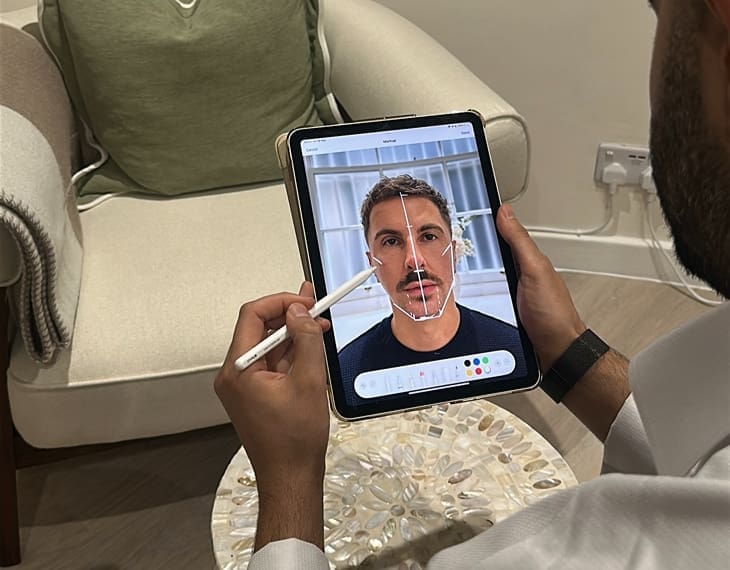
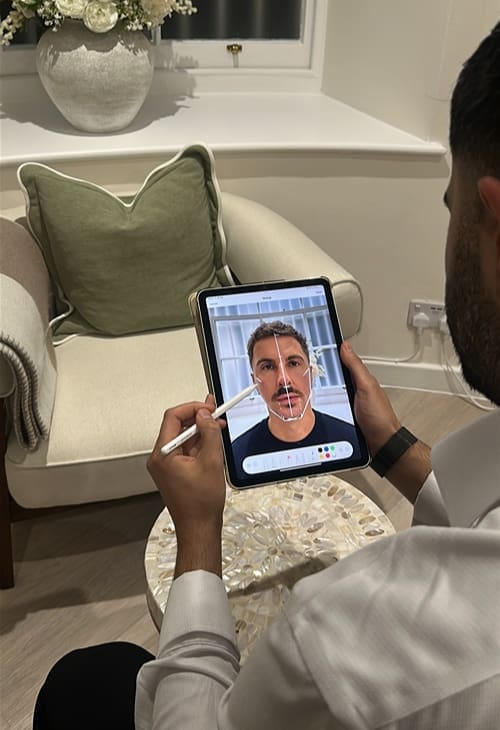
At Dr Hass Clinic, we analyse lip anatomy, muscle activity, gum display, and facial proportions to determine the safest, most effective plan, whether that’s Botox®, lip filler, or a combination.
Key Takeaways
- A gummy smile is usually caused by strong lip muscles, thin lips, excess gum tissue, or jaw anatomy
- Botox® reduces excessive lip lifting
- Lip filler improves shape and helps cover more gum
- The combined approach often creates the most natural result
- Surgery is reserved for significant dental or jaw-related causes
- A tailored assessment ensures the right treatment for your unique anatomy
Conclusion
A gummy smile is extremely common, highly treatable, and often corrected with quick, subtle non-surgical techniques. By understanding the cause, whether it’s muscle activity, lip shape, gum height, or tooth position, you can choose the treatment that offers the most natural, confidence-boosting result.
With the right approach, your smile can look beautifully balanced, expressive, and entirely “you”, just without the excess gum show.
FAQs
Is a gummy smile harmful?
No, it’s purely cosmetic. It doesn’t affect oral or facial health but can impact confidence.
Does Botox® for gummy smile look natural?
Yes. When performed correctly, it softens the upward lift without affecting your ability to smile normally.
Will lip filler make my lips look too big?
Not at all. Treatment focuses on subtle shaping, not size. The goal is balance and harmony, not volume.
How long do results last?
Botox® lasts 3–4 months. Lip filler lasts 6–12 months depending on product, metabolism, and anatomy.
Which is better: Botox® or lip filler?
It depends on the cause. Overactive muscles respond best to Botox®, while thin or short lips often benefit from filler. Many patients need both.
Can a gummy smile come back after treatment stops?
Yes, because muscles and anatomy return to their natural state. Regular maintenance keeps results stable and natural.

Related Treatments


Related Conditions



Our Clinic
Your Sanctuary
Welcome to our clinic, where innovation, expertise, and personalised care merge to redefine your natural beauty. We specialise in providing a wide range of non-invasive treatments that deliver remarkable results without the need for surgery.
What Our Clients Say
Our clients’ satisfaction is at the heart of everything we do. We take immense pride in helping individuals enhance their natural beauty and boost their confidence. But don’t just take our word for it—here’s what some of our valued clients have to say.