

Take control of dermatitis with clinically validated strategies. Explore causes, prevention tips, and professional treatments to restore healthy, comfortable, and resilient skin.
Condition
Dermatitis

Overview
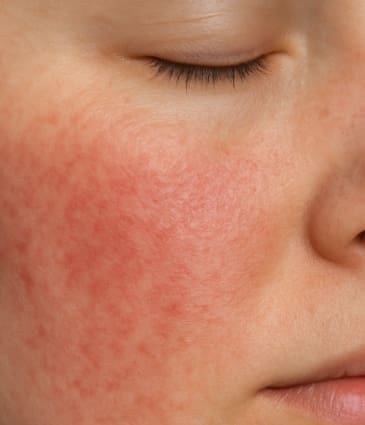
Dermatitis is a term for inflammation of the skin, presenting as redness, itchiness, flaking, or swelling.
It is common across all age groups and can affect any part of the body. There are multiple subtypes, including atopic dermatitis (eczema), contact dermatitis, seborrheic dermatitis, and nummular dermatitis, each with unique triggers and manifestations.
This guide explores the mechanisms behind dermatitis, contributing factors, prevention strategies, and professional treatments, providing actionable advice for maintaining healthy, resilient skin. By combining clinical insights with practical tips, patients can understand their condition, reduce flare-ups, and improve long-term skin health.

What Is Dermatitis?
Dermatitis is essentially an inflammatory response in the skin. While it can be acute, chronic, or recurring, all types share common features: redness, irritation, and disruption of the skin barrier.
Types of dermatitis and how they present:
- Atopic Dermatitis (Eczema): Often appears in children, linked to dry, sensitive skin and a family history of allergies. Adults may experience persistent patches on hands, face, or inner elbows.
- Contact Dermatitis: Triggered by irritants or allergens such as soaps, fragrances, metals, or plants. Reaction can occur immediately or after repeated exposure.
- Seborrheic Dermatitis: Characterised by greasy, flaky patches, especially on the scalp, eyebrows, and around the nose. Associated with overgrowth of certain skin yeasts.
- Nummular Dermatitis: Coin-shaped itchy patches, usually on limbs or torso, often exacerbated by dry skin or environmental factors.
Common symptoms include:
- Red, inflamed skin
- Persistent itchiness or burning sensation
- Dry, cracked, or flaky skin
- Occasional blistering or oozing
- Thickened skin from chronic scratching
Dermatitis is more than just a cosmetic concern—it can significantly impact comfort, sleep, self-confidence, and quality of life.
Causes of Dermatitis
Dermatitis is multifactorial, meaning multiple elements often contribute to its development and flare-ups. Understanding these is essential for effective prevention and management.
- Genetic Predisposition: Individuals with a family history of eczema, asthma, or allergies are more likely to develop atopic dermatitis.
- Skin Barrier Dysfunction: Weak or compromised skin allows irritants, allergens, and microbes to penetrate, triggering inflammation.
- Environmental Triggers: Dry air, pollution, temperature extremes, and harsh cleaning products can provoke symptoms.
- Allergens and Irritants: Metals, fragrances, detergents, and certain fabrics may lead to allergic or irritant reactions.
- Immune System Sensitivity: Overactive immune responses create excessive inflammation in susceptible individuals.
- Lifestyle Factors: Stress, poor sleep, and dietary imbalances can exacerbate flare-ups.
Other contributors include hormonal changes, prolonged sun exposure, and repetitive scratching, which can worsen existing lesions and impair healing.
How to Prevent or Reduce Dermatitis Flare-Ups
Prevention focuses on protecting the skin barrier, minimising irritation, and managing environmental and lifestyle triggers. A proactive approach is often the most effective.
Skincare Strategies:
- Gentle Cleansing: Use fragrance-free, non-soap cleansers to avoid stripping natural oils.
- Moisturisation: Frequent application of emollients containing ceramides, fatty acids, or hyaluronic acid helps maintain barrier integrity.
- Sun Protection: Broad-spectrum SPF protects the skin from UV-induced inflammation and prevents pigment changes.
Lifestyle and Environmental Measures:
- Clothing Choices: Breathable fabrics like cotton reduce friction; avoid wool or rough synthetics.
- Hydration and Nutrition: Adequate water intake and antioxidant-rich foods support skin resilience. Omega-3 fatty acids may reduce inflammation.
- Stress and Sleep Management: Chronic stress and sleep deprivation exacerbate flare-ups; relaxation techniques and consistent sleep routines can help.
- Identify and Avoid Triggers: Keep a diary to track flare-ups linked to food, skincare products, or environmental exposures.
Bathing Practices:
- Avoid hot, prolonged showers.
- Pat skin dry gently instead of rubbing.
- Limit harsh scrubs or exfoliants that can compromise the barrier.

Clinical Treatments for Dermatitis
1. Medical-Grade Skincare
Medical-grade skincare is the foundation of dermatitis management. Products are formulated with clinically validated concentrations of barrier-repairing and anti-inflammatory ingredients.
Key Ingredients:
- Ceramides and fatty acids: Restore the lipid barrier
- Niacinamide: Reduces redness and inflammation
- Hyaluronic acid: Maintains hydration
- Antioxidants: Protect against environmental stressors
Benefits:
- Supports barrier repair
- Reduces itchiness and inflammation
- Prevents recurrence of flare-ups
2. Chemical Peels
Gentle chemical peels can benefit dull, rough, or mildly inflamed skin by promoting controlled exfoliation and supporting barrier recovery.
- Recommended Types: Lactic acid or low-concentration glycolic acid peels
- Avoid Strong Peels: TCA or high-strength peels may aggravate inflamed dermatitis-prone skin
Ideal For:
- Dry or flaky patches
- Early pigmentation from chronic inflammation
3. Skin Boosters
Hydrating injectables like skin boosters enhance skin resilience, hydration, and elasticity.
Benefits:
- Restores moisture to chronically dry skin
- Improves fine lines from repeated scratching or dryness
- Supports long-term barrier repair
Best For:
- Persistent dehydration
- Sensitive or inflamed areas prone to flare-ups
4. Topical Anti-Inflammatories
Prescription options, such as corticosteroids or non-steroidal topicals, reduce active inflammation during flare-ups.
Tips for Safe Use:
- Apply the lowest effective strength for the shortest duration
- Always combine with moisturisers to maintain barrier function
When to See a Specialist
Professional assessment is essential for persistent, severe, or spreading dermatitis.
Seek expert care if:
- Flare-ups are frequent or worsening
- There is secondary infection (oozing, yellow crusting, pus)
- Itching disrupts sleep or daily life
- Chronic scratching causes thickened, pigmented, or scarred skin
At Dr Hass Clinic, we offer personalised treatment plans combining medical-grade skincare, skin boosters, gentle peels, and lifestyle guidance. Early intervention reduces flare-ups and preserves skin health.
Key Takeaways
- Dermatitis encompasses atopic, contact, seborrheic, and nummular subtypes
- Causes include genetics, barrier dysfunction, environment, allergens, hormones, and lifestyle
- Prevention focuses on gentle skincare, moisturisation, sun protection, and trigger management
- Treatments such as medical-grade skincare, skin boosters, gentle peels, and prescription topicals reduce inflammation and restore barrier health
- Early professional care ensures personalised guidance, faster improvement, and long-term skin resilience
Conclusion
Dermatitis is a chronic skin condition that can affect comfort and confidence. Effective management requires a combination of prevention, clinical interventions, and consistent at-home care.
- Protect your skin and avoid triggers
- Strengthen the barrier with medical-grade skincare
- Professional treatments such as gentle chemical peels and skin boosters enhance resilience
- Lifestyle measures including hydration, stress management, and gentle routines complement clinical care
At Dr Hass Clinic, we provide clinically validated, personalised treatments to calm inflammation, repair the skin, and prevent flare-ups, giving patients healthy, comfortable skin they can trust.
FAQs
What is the best daily routine for dermatitis-prone skin?
Use gentle cleansers, daily moisturisation, SPF, and avoid known triggers. Incorporate stress management and hydration for added barrier support.
Can dermatitis be cured completely?
No, it is chronic, but symptoms can be effectively managed with consistent care, prevention, and professional treatments.
Are skin boosters safe for inflamed skin?
Yes, when administered by an experienced clinician, they improve hydration and barrier function, reducing flare-ups.
When should I see a dermatologist?
Persistent, severe, or spreading dermatitis, secondary infections, chronic itch, or thickened skin requires specialist care.
Do lifestyle factors influence dermatitis?
Absolutely. Hydration, nutrition, sleep, stress management, and avoiding irritants all help control flare-ups.

Related Treatments


Related Conditions




Our Clinic
Your Sanctuary
Welcome to our clinic, where innovation, expertise, and personalised care merge to redefine your natural beauty. We specialise in providing a wide range of non-invasive treatments that deliver remarkable results without the need for surgery.
Don’t Take Our Word For it…
Our clients’ satisfaction is at the heart of everything we do. We take immense pride in helping individuals enhance their natural beauty and boost their confidence.