

A complete guide to Melasma covering causes, prevention, triggers, long-term management, and the most effective professional and at-home treatments for achieving more even-toned skin.
Condition
Melasma
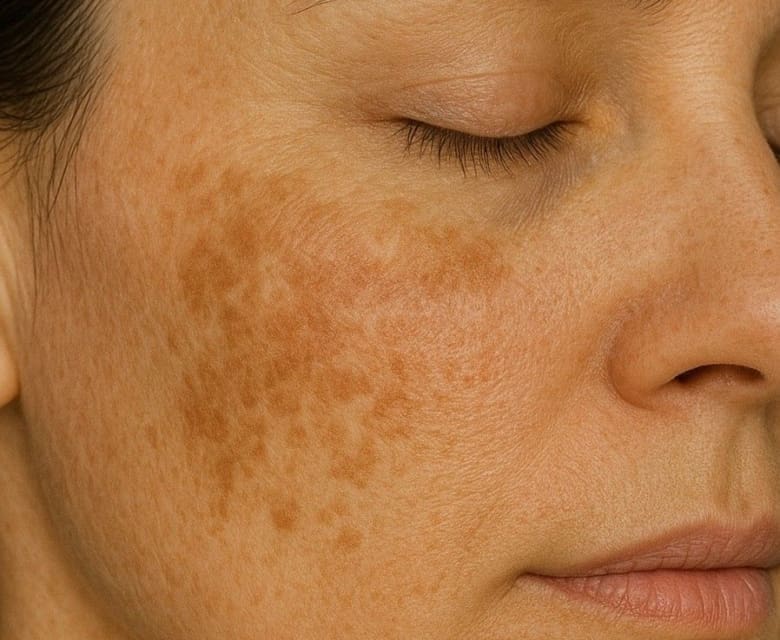
Overview
Melasma is one of the most challenging pigmentation conditions to treat. It appears as brown or grey-brown patches, typically on the cheeks, forehead, nose, upper lip, or jawline. The condition is chronic, often cyclical, and strongly influenced by hormones, heat, and sun exposure.
Although Melasma cannot always be fully cured, it can be significantly reduced and controlled with the right combination of medical-grade skincare, sun protection, and evidence-based aesthetic treatments. Most importantly, understanding triggers and maintaining consistent prevention is key to long-term success.
This guide provides a comprehensive and accessible overview of what Melasma is, why it happens, and the most effective ways to treat and prevent it.

What Is Melasma?
Melasma is a form of hyperpigmentation caused by overactive melanocytes, the pigment-producing cells in the skin. Unlike standard dark spots, melasma tends to be symmetric, diffuse, and deeper, making it more resistant to treatment.
It is sometimes referred to as the mask of pregnancy, though it affects anyone, including men, and can be triggered by a wide range of internal and external factors.
Melasma can appear in three patterns:
- Epidermal Melasma: Pigment sits in the upper skin layers. Responds best to treatment.
- Dermal Melasma: Pigment lies deeper. More stubborn and slower to improve.
- Mixed Melasma: Combination of both, the most common type.
Melasma is highly reactive, meaning even mild heat, UV exposure, or hormonal fluctuations can cause it to darken.
Causes of Melasma
Melasma develops due to a combination of triggers. Understanding them helps guide treatment and prevention.
1. Hormones
Hormonal shifts significantly influence melanocyte activity.
Common triggers include:
- Pregnancy
- Oral contraceptives
- Hormone replacement therapy
- Thyroid disorders
These hormonal changes make melanocytes more sensitive to UV light and heat.
2. Sun Exposure
This is the strongest external trigger.
UV light stimulates pigment production, darkens existing melasma, and causes rapid recurrence even after treatment.
3. Heat and Infrared Light
Heat from cooking, saunas, hot yoga, strong sun, and even laptops can worsen melasma by activating inflammation and blood flow.
4. Genetic Predisposition
If close family members have melasma, your risk is higher.
5. Skin Inflammation
Any irritation such as harsh exfoliants, burns, or aggressive treatments can cause post-inflammatory hyperpigmentation that mimics or worsens melasma.
6. Lifestyle and Environmental Triggers
- Stress
- Pollution
- Inadequate sun protection
- Certain medications
Melasma often results from several triggers working together, which is why treatment requires a multi-layered approach.
How to Prevent or Minimise Melasma
Melasma management is about consistency, protection, and trigger avoidance. Prevention is just as important as treatment.
1. Sun Protection
This is the number one rule.
- Use SPF 50 daily, even in winter or indoors.
- Choose mineral sunscreens containing zinc oxide or titanium dioxide for better pigment protection.
- Reapply every two hours when outdoors.
- Wear hats, sunglasses, and opt for physical shade.
Consistent sun protection alone can noticeably improve melasma over time.
2. Heat Avoidance
Melasma reacts to heat even without sun.
- Avoid hot yoga, saunas, steam rooms.
- Reduce exposure to hot ovens and hobs.
- Choose lukewarm water instead of hot when washing your face.
3. Gentle Skincare
Melasma worsens when the skin barrier is damaged.
- Use gentle cleansers.
- Avoid scrubs, harsh exfoliants, and irritating products.
- Support the barrier with ceramides, niacinamide, hyaluronic acid, and peptides.
4. Anti-Inflammatory Lifestyle Choices
Inflammation fuels pigment.
- Eat antioxidant-rich foods such as berries, leafy greens, and healthy fats.
- Minimise alcohol and smoking.
- Manage stress through exercise, mindfulness, or sleep optimisation.
5. Consistent Use of Pigment-Safe Medical Skincare
Daily use of pigment-regulating products is essential for long-term control.
Non-Surgical Treatments for Melasma
1. Medical-Grade Skincare
High-quality, medical-grade skincare is essential for reducing pigmentation, controlling melanocyte activity, and maintaining long-term skin clarity.
One of the most effective systems is the OBAGI Nu-Derm® Rx system, which combines potent actives specifically formulated to fade stubborn pigmentation and even skin tone safely under clinical guidance.
Key Depigmenting Ingredients
- Hydroquinone (4–7%): Gold-standard topical depigmenting agent; inhibits melanin production and visibly fades dark spots.
- Arbutin: A gentler alternative that reduces tyrosinase activity to lighten hyperpigmentation without irritation.
Supporting Ingredients
- Vitamin C: Brightens skin and provides antioxidant protection
- Niacinamide: Strengthens the skin barrier and improves overall tone
- Retinoids: Accelerate cell turnover to shed pigmented cells
- Tranexamic Acid: Reduces vascular and hormonal triggers of pigmentation
Benefits
- Gradual and reliable fading of pigmentation
- Reduces recurrence of dark spots
- Improves overall skin clarity and tone
- Supports long-term skin health when used consistently
Results
- Noticeable improvement in 6–12 weeks
- Continued enhancement with long-term, supervised use
Downtime
- None if introduced gradually under professional guidance
- Minor irritation possible at the start of treatment, typically temporary
Note: Topical treatments like hydroquinone and arbutin are prescription-strength and should be used under clinical supervision to ensure safe, effective depigmentation and to prevent rebound hyperpigmentation.
2. Chemical Skin Peels
Mild to medium-depth chemical skin peels remove surface pigment, stimulate collagen, and improve penetration of pigment-regulating skincare.
Peels suitable for melasma include mandelic, lactic, and low-strength glycolic.
Benefits:
- Brightens the complexion
- Reduces surface pigmentation
- Improves skin texture
Results:
- Visible improvement within a few sessions
- Works best when combined with medical-grade skincare
Downtime:
- Mild redness and flaking for 1 to 3 days
3. Microneedling
Microneedling stimulates collagen, improves skin texture, and enhances delivery of pigment-correcting serums.
It must be performed cautiously, as too much inflammation can worsen pigment.
Benefits:
- Refines texture
- Supports deeper penetration of brightening actives
- Strengthens skin structure
Results:
- Gradual improvement over several sessions
Downtime:
- Temporary redness for 1 to 2 days
4. Skin Boosters and Polynucleotides
Hydrating injectables like skin boosters and polynucleotides improve skin quality, reduce inflammation, and support healing.
While not melasma cures, they improve overall clarity and reduce reactivity.
Benefits:
- Healthier, more resilient skin
- Better absorption of topical treatments
- Reduced dullness
Results:
- Visible in 2 to 4 weeks
Downtime:
- Minimal
5. Tranexamic Acid (Topical or Oral)
A powerful melasma treatment that reduces excess pigment by calming inflammation and blood vessel activity.
Prescription oral TXA may be used in selected cases under medical supervision.
Benefits:
- Excellent for hormone-driven melasma
- Reduces vascular redness contributing to pigmentation
Results:
- Noticeable results in 6 to 12 weeks
Downtime:
- None topically
Treatments Must Be Used with Caution:
Some treatments can worsen melasma if used incorrectly.
These include:
- High-strength chemical peels
- Heat-based lasers
- Aggressive exfoliation
Treatment must be tailored to skin type and melasma depth for safe and effective results.
Advanced Treatments for Melasma
There is no true surgical treatment for melasma, but advanced medical procedures may be used in severe, resistant cases.
Options include:
- Low-fluence laser therapy
- Fractionated non-ablative lasers
- Prescription oral treatments
These require specialist evaluation and careful aftercare to prevent rebound pigmentation.
Key Takeaways
- Melasma is chronic but highly manageable with the right approach.
- Sun protection and heat avoidance are essential for preventing flare-ups.
- Medical-grade skincare is the foundation of long-term melasma control.
- Chemical peels, microneedling, and tranexamic acid offer reliable improvement when personalised.
- Consistency and lifestyle choices are just as important as treatments.
- A combined approach always produces the best outcome.
Conclusion
Melasma can be a frustrating and confidence-affecting condition, but with a targeted and consistent routine, results can be transformative. By combining medical-grade skincare, gentle resurfacing treatments, pigment suppressors, sun protection, and lifestyle adjustments, melasma can be significantly reduced and kept under control.
At Dr Hass Clinic, we create tailored treatment plans based on your skin type, triggers, and pigmentation depth, helping you achieve clearer, brighter, and more even-toned skin with safe and effective techniques.
FAQs
Can melasma be completely cured?
Melasma cannot always be permanently cured, but it can be dramatically improved and maintained with the right long-term plan.
What makes melasma worse?
Sun, heat, hormonal fluctuations, stress, harsh skincare, and inflammation are the most common triggers.
How long does it take to see improvement?
Most patients see visible improvements in 6 to 12 weeks with consistent skincare and professional treatments.
Is melasma the same as sun spots?
No. Melasma is more diffuse, deeper, and hormonally driven, which makes it trickier to treat.
Can skincare products really help melasma?
Yes. Medical-grade skincare with ingredients like vitamin C, azelaic acid, tranexamic acid, and retinoids is essential for long-term results.
Is melasma dangerous?
No, melasma is harmless, but it can be persistent and affect confidence.

Related Treatments


Related Conditions


Our Clinic
Your Sanctuary
Welcome to our clinic, where innovation, expertise, and personalised care merge to redefine your natural beauty. We specialise in providing a wide range of non-invasive treatments that deliver remarkable results without the need for surgery.
Don’t Take Our Word For it…










Our clients’ satisfaction is at the heart of everything we do. We take immense pride in helping individuals enhance their natural beauty and boost their confidence.