Is Nose Filler Safe? Risks, Safety & Expert Medical Advice

Dr Hasaneen Al Janabi MBBS MRCS (ENT) - Dr Hass Clinic Founder & Medical Director

Published by Dr Hasaneen

Published date 19.01.26

Nose filler safety is a top concern for anyone considering non-surgical rhinoplasty.

This minimally invasive treatment has gained popularity because it delivers immediate nose reshaping results without surgery. But because the nose is a highly complex area, safety depends on expert technique, certified products, and medical training.

At Dr Hass Clinic, we prioritise anatomy, risk management, and patient selection. In this guide, you’ll learn:

  • What nose filler is and how it works
  • The real risks of non-surgical rhinoplasty
  • How complications are minimised in reputable medical clinics

What Is Nose Filler?

Nose filler, also known as non-surgical rhinoplasty, reshapes the nose using hyaluronic acid (HA) dermal fillers. Unlike surgery, it doesn’t involve cutting or permanent changes.

Common uses include:

  • Smoothing a dorsal hump
  • Improving nasal symmetry
  • Raising a low nasal bridge
  • Supporting a drooping nasal tip

Results are immediate and temporary, usually lasting 12–18 months, making it a flexible option for subtle enhancements.

Nose Filler Before and After - Dr Hass Clinic

Why Is Nose Filler Considered High-Risk?

The nose contains a dense network of blood vessels that supply both the skin and the eyes.

Even minor mistakes in filler placement can restrict blood flow, which in rare cases can lead to skin damage or vision-related complications.

Because of this complexity, nose filler is considered higher risk than fillers for lips or cheeks. This is why it should only be performed by medically trained professionals with advanced knowledge of facial anatomy. A skilled injector will carefully plan the treatment to ensure both aesthetic results and patient safety.

Understanding the Risks of Nose Filler

While complications from nose filler are uncommon, they can occur if the procedure is performed incorrectly.

The most serious risks involve vascular occlusion, where a blood vessel becomes blocked, potentially causing skin damage. Very rarely, this can affect the eyes. Other possible issues include asymmetry or overcorrection, usually stemming from poor technique or excessive filler use.

At Dr Hass Clinic, we minimise these risks by using precise injection techniques, conservative dosing, and continuous monitoring during treatment. We also have hyaluronidase on hand, allowing us to reverse the effects immediately if needed.

Why Hyaluronic Acid Fillers Are the Safest Choice

We exclusively use hyaluronic acid (HA) fillers for nose reshaping because they are biocompatible, temporary, and fully reversible. This is critical in a high-risk area like the nose. Permanent fillers should never be used, as complications cannot be safely corrected.

Nose Filler vs Surgical Rhinoplasty

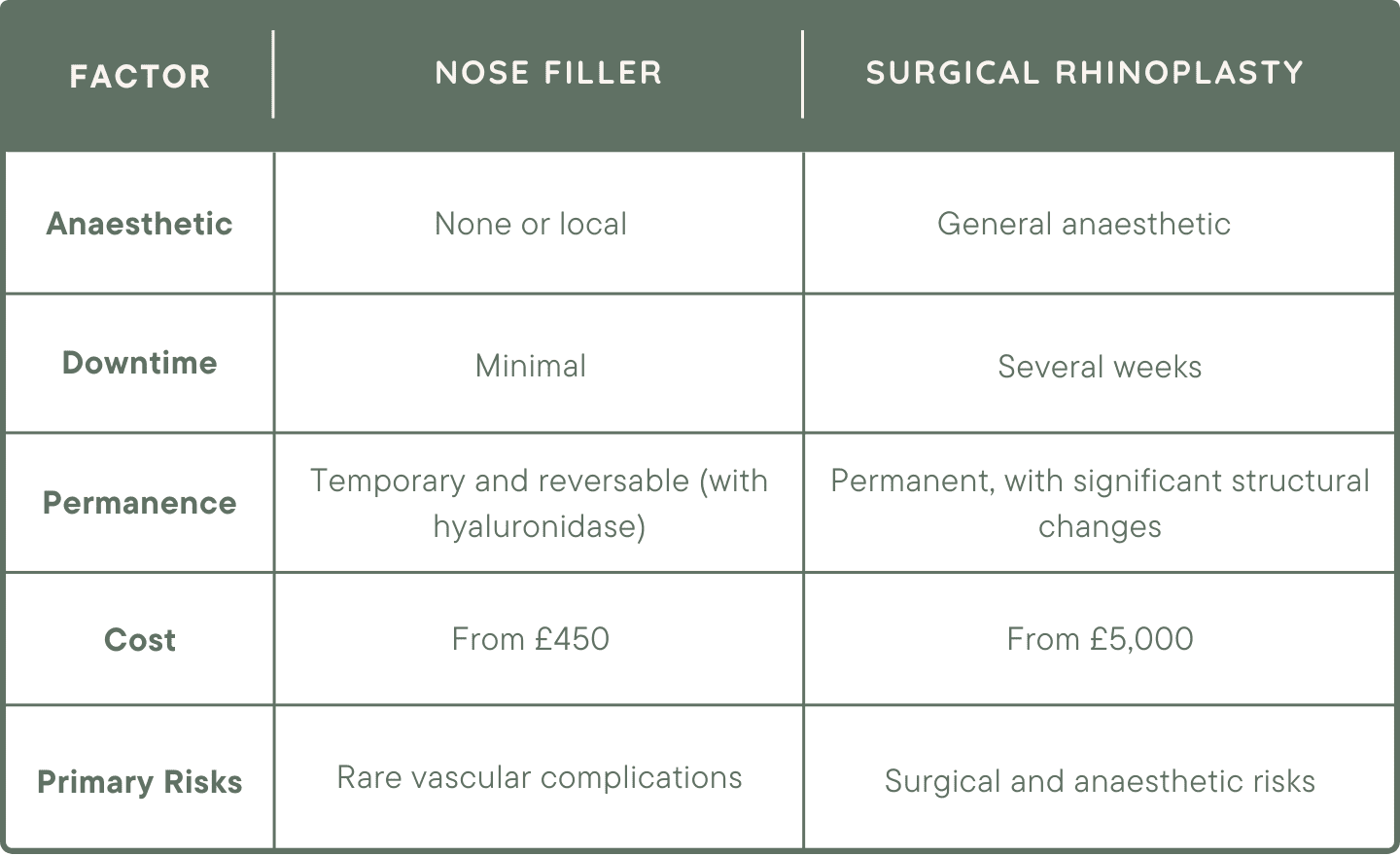
Non-surgical nose reshaping offers a different set of benefits and risks compared with surgery. Nose filler requires no general anaesthetic and minimal downtime, and results are reversible if necessary. Surgical rhinoplasty involves permanent structural changes, longer recovery, and carries surgical and anaesthetic risks.

The safest option depends on your facial anatomy, desired results, and expert assessment. In some cases, surgery may provide a more effective or safer outcome than filler.

Nose Filler vs Surgical Rhinoplasty, Explained - Dr Hass Clinic

Who Is a Good Candidate for Nose Filler?

Nose filler is best suited to patients who want subtle reshaping rather than size reduction, have good skin thickness, and do not require major structural correction. It’s important that patients understand the temporary nature of the treatment and have realistic expectations about what non-surgical rhinoplasty can achieve.

How We Maximise Safety at Dr Hass Clinic

At our clinic, safety is built into every stage of the treatment process. We start with a thorough facial and nasal assessment, select only certified HA fillers, and use conservative injections at anatomically safe depths. Our team is trained to recognise and manage complications immediately, prioritising natural balance, circulation safety, and long-term skin health over aggressive correction.

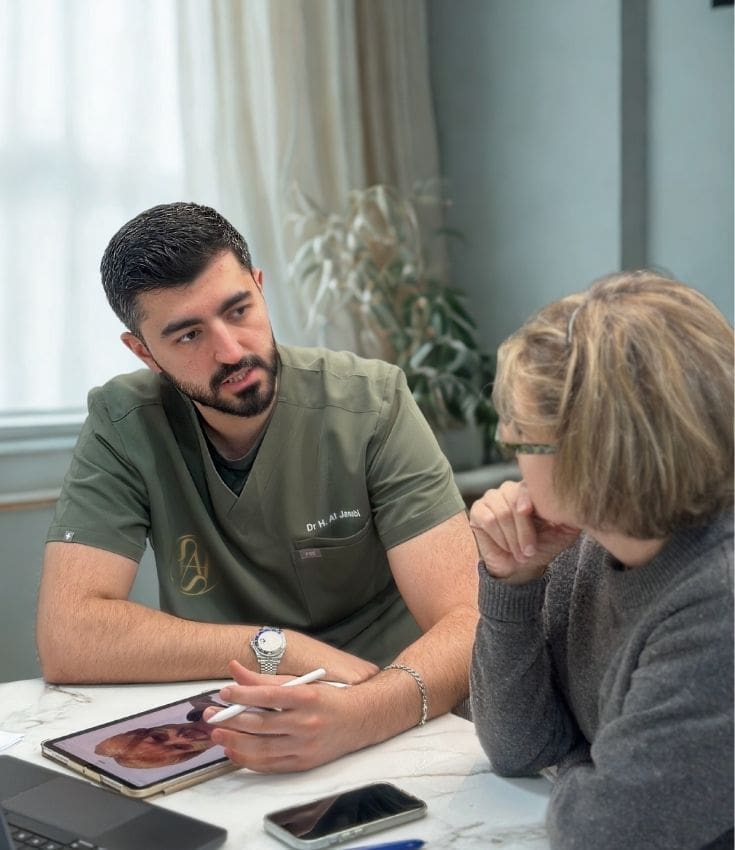
Dr Hass Clinic Consultation

Final Thoughts: Is Nose Filler Safer Than You Think?

When performed by a medically trained professional, nose filler is far safer than its reputation suggests. The majority of complications occur when treatments are carried out by non-medical injectors, with limited anatomical knowledge, inappropriate products, or rushed techniques.

At Dr Hass Clinic, we prioritise patient safety and predictable results. By using certified hyaluronic acid fillers, employing precise injection techniques, and maintaining a conservative, anatomy-focused approach, we ensure that treatments are temporary, reversible, and highly controlled.

The key to a safe and successful non-surgical rhinoplasty is a thorough medical consultation. This allows our team to assess your nasal anatomy, understand your goals, and determine whether filler or surgery is the most appropriate option. With the right expertise and careful planning, nose filler can achieve natural, balanced results with minimal risk, making it a safe and effective choice for the right patient.

Latest News

What Our Clients Say

Our clients’ satisfaction is at the heart of everything we do. We take immense pride in helping individuals enhance their natural beauty and boost their confidence. But don’t just take our word for it—here’s what some of our valued clients have to say.

Dr Hass Surgeon-led Aesthetic Clinic Mayfair Waiting Area Dr Hass Clinic - Luxury Aesthetic Clinic Mayfair

Our Clinic

Your Sanctuary

Welcome to our clinic, where innovation, expertise, and personalised care merge to redefine your natural beauty. We specialise in providing a wide range of non-invasive treatments that deliver remarkable results without the need for surgery.