

Learn what causes tired eyes and how to fix them. An in-depth guide to prevention, home remedies, under-eye fillers, energy devices & professional treatments.
Condition
Tired Eyes

Overview
The eye area ages earlier and more noticeably than the rest of the face. Even in your 20s or 30s, you may develop shadows, puffiness, crepey texture or hollowness that make you appear tired, stressed or older — regardless of how you actually feel.
This guide explores what “tired eyes” really are, why they happen, how to prevent them, and the most effective treatments, from simple home measures to advanced clinical procedures.
Our aim is to help you understand the true underlying causes so you can choose treatments that genuinely brighten and rejuvenate the eyes, rather than temporarily masking the issue.

What Are Tired Eyes?
“Tired eyes” is a broad, non-medical term describing a cluster of changes that create a fatigued look. It’s not about being tired, it’s about looking tired.
People usually describe tired eyes as:
- Dark circles
- Hollowing beneath the eyes (tear troughs)
- Under-eye puffiness or eye bags
- Crepey or thin skin around the eyelids
- Visible vascularity — blue, purple or reddish tones showing through the skin
- Shadowing caused by changes in facial structure
What makes this area so vulnerable is that the lower eyelid has the thinnest skin on the face, minimal fat padding, and a highly complex lymphatic and vascular network. Even subtle changes to skin quality, hydration or underlying volume become immediately visible.
A tired appearance is rarely caused by one issue alone. It’s usually a combination of structural volume loss, skin changes, and circulation patterns, often made worse by lifestyle factors.
What Causes Tired Eyes?
To treat tired eyes effectively, you must understand which mechanisms are involved — because each requires a different approach.
1. Genetic Factors
Some people naturally have darker pigmentation, thinner skin, or deeper orbital structures. If you’ve had dark circles or a slightly hollow under-eye area since childhood, genetics play a role.
This doesn’t mean it can’t be improved, but it does influence what treatments will help most.
2. Volume Loss and Facial Structural Changes
As we age, we lose:
- Subcutaneous fat beneath the eyes
- Bone support in the midface
- Elasticity and collagen in lower eyelid skin
This creates hollows that cast shadows, giving the illusion of fatigue. Often the issue isn’t actually under the eye — it’s the cheek losing structure and pulling away from the lower eyelid. When cheek volume is restored, the under-eye looks instantly brighter and less sunken.
3. Pigmentation (Brown + Blue/Purple Tones)
Pigmented dark circles can develop from:
- Sun exposure
- Post-inflammatory pigmentation from rubbing or eczema
- Genetics (common in darker skin types)
- Hormonal influences
- Excess melanin in the thin lower eyelid skin
Vascular pigmentation is different. You see a blue or purple tint due to visible veins beneath thin skin. Each type requires a different treatment approach.
4. Puffiness and Fluid Retention
Morning swelling, allergies, sinus issues, high salt intake and poor lymphatic drainage can all cause temporary or persistent puffiness.
Some patients also have true eye bags, which are pockets of protruding fat — not fluid — and often require surgical or device-based treatment.
5. Skin Quality Decline
As collagen reduces, the skin becomes:
- Thinner
- More crepey
- Less elastic
This makes vessels and shadows more visible and contributes to a wrinkled, “tired” look.
6. Lifestyle and Environmental Triggers
Sleep deprivation, dehydration, stress, alcohol, smoking and excessive screen time all affect microcirculation and moisture levels.
Even people with excellent skincare can develop tired eyes if lifestyle stresses are high.
How to Prevent Tired Eyes
Prevention is partly about lifestyle and partly about supporting the delicate skin around the eyes. Think of it as protecting and maintaining a fragile ecosystem.
A few key habits make a measurable difference:
1. Sleep and Recovery
While tired eyes are not always caused by tiredness, consistent, good-quality sleep does help reduce puffiness and inflammation. Try:
- Keeping a regular sleep schedule
- Elevating your head slightly to reduce morning swelling
- Avoiding heavy late-night salty meals, which increase fluid retention
2. Digital Eye Strain Management
Screen time makes you blink less, causing dryness and strain. Try implementing:
- The 20-20-20 rule (every 20 minutes, look at something 20 feet away for 20 seconds)
- Hydrating eye drops
- Softer screen brightness and blue light filters
3. Diet and Hydration
Poor hydration and excess salt often show up in the under-eye area first. Aim for:
- Adequate water intake throughout the day
- A diet rich in antioxidants, leafy greens, and vitamin C
- Reduced sodium and alcohol, especially in the evening
4. Allergy Control
If allergies are a factor, consistent treatment helps reduce rubbing, swelling, and darkening of the eye area.
5. Medical-Grade Skincare
The under-eye area responds best to gentle, targeted ingredients:
- Retinol eye creams (to support collagen — used cautiously)
- Peptides and growth factors (skin repair, firmness)
- Caffeine (reduces puffiness)
- Vitamin C (brightening and collagen stimulation)
- Hyaluronic acid (light hydration without heaviness)
Prevention doesn’t erase structural issues, but it helps maintain brightness, elasticity, and long-term skin health.
Home Remedies for Tired Eyes
Home care won’t replace medical treatments for hollows or significant pigmentation, but it can noticeably soften puffiness and fatigue. The right routines create that “refreshed” look people chase.
Cold Therapy
A cool compress, chilled teaspoon, or refrigerated eye mask can constrict vessels and reduce puffiness within minutes. It’s ideal after long days, early mornings, or during allergy flare-ups.
Gentle Lymphatic Drainage
Massaging from the inner to outer corner of the eyes (very lightly) helps move trapped fluid. Tools like a jade roller are fine, but clean fingers work just as well.
Hydrating Eye Masks
Look for masks with hyaluronic acid, peptides, or niacinamide. These plump the surface, smooth crepey texture, and temporarily brighten.
Caffeine-Infused Eye Products
Caffeine helps constrict vessels and reduce morning puffiness. It’s particularly helpful for vascular dark circles.
Regular Sunscreen Use
Sun exposure worsens pigmentation and collagen loss. A mineral SPF applied close to (but not inside) the eye is safe and protective.
Professional Treatments for Tired Eyes
When tired eyes come from structural causes, such as hollowness, cheek volume loss, skin thinning, or stubborn pigmentation, home remedies aren’t enough. This is where medical aesthetics provides reliable, high-impact improvement.
1. Tear Trough Filler
Tear trough filler is one of the most effective treatments for tired-looking eyes caused by volume loss or deep hollowness. It uses a soft, carefully placed hyaluronic acid filler to restore volume, reduce shadows, and smooth the transition between the lower eyelid and cheek.
How It Works
- Replaces lost volume in the under-eye hollow
- Softens the crease that creates a shadow
- Improves light reflection, making the area look brighter
- Supports thin under-eye skin
What You Can Expect
Tear trough filler delivers subtle but transformative results when performed correctly. People often report looking more rested and less “drawn,” without looking treated.
Best For
- Deep hollows
- Shadowing not fully caused by pigment
- Tired or sunken appearance
- Age-related or genetic volume loss
Results & Longevity
Results are immediate, with refinement over 1–2 weeks. Longevity typically ranges from 9–18 months, depending on metabolism and anatomy.
Why Technique Matters
The under-eye is a delicate anatomical zone with thin skin, major vessels, and variable fat pads. Expertise, conservative dosing, and correct product choice are essential for natural results.

2. Cheek Filler for Midface Support
Often overlooked, cheek filler is a powerful tool for rejuvenating tired eyes.
When midface volume is low, the under-eye area appears deeper, harsher, and more shadowed. Supporting the cheek restores a natural lift and significantly reduces the appearance of tiredness.
How Cheek Filler Helps the Eyes
- Raises and supports the tissue beneath the lower eyelid
- Reduces the appearance of hollows (sometimes removing the need for tear trough filler)
- Improves midface contour and structure
- Enhances light reflection, reducing “darkness”
Who Benefits Most
- People with flattened or deflated cheeks
- Those whose under-eye issues worsen when smiling
- Age-related midface volume loss
- People with genetic midface recession
Cheek filler is often the foundation treatment for tired eyes — especially when hollows and shadows are part of a wider structural pattern.
3. Polynucleotides for Skin Quality
Polynucleotide injections improve skin elasticity, thickness, and resilience, targeting dermal health rather than adding volume.
How They Work
- Stimulate collagen and elastin production
- Improve microcirculation and tissue repair
- Strengthen and thicken delicate under-eye skin
Benefits
- Reduces fine lines and early crepiness
- Enhances skin texture and firmness
- Supports long-term results of fillers and structural treatments
Ideal Candidates
- Patients with thin or delicate under-eye skin
- Those seeking enhanced skin quality in addition to volumisation
- Individuals combining multiple rejuvenation modalities
4. Microneedling for Collagen Stimulation
Microneedling is a minimally invasive treatment that stimulates collagen and elastin production, improving skin texture and thickness under the eyes.
How It Works
- Fine needles create controlled micro-injuries in the skin
- Triggers natural healing response and collagen remodelling
- Enhances absorption of topical serums for added rejuvenation
Benefits
- Refines under-eye texture
- Reduces fine lines and crepiness
- Strengthens skin to better support fillers and other treatments
Ideal Candidates
- Individuals with thin, fragile under-eye skin
- Patients looking to improve texture and skin quality without adding volume
- Best combined with cheek fillers or polynucleotide injections for optimal results
5. Skin Rejuvenation & Energy-Based Treatments
When skin quality, elasticity, or fine lines are the primary cause of tired eyes, skin-tightening and collagen-stimulating treatments can deliver excellent improvements.
Endolift® & Similar Modalities
These minimally invasive treatments use targeted thermal energy to:
- Tighten loose under-eye skin
- Reduce fine lines and crepiness
- Improve firmness and texture
- Enhance overall brightness
Complementary Options
Depending on the patient’s needs:
- Laser resurfacing for texture and pigmentation
- Radiofrequency microneedling for collagen production
- Light-based therapies for vascular darkness
These treatments can be used alone or combined with fillers for a comprehensive rejuvenation strategy.
When to See a Specialist
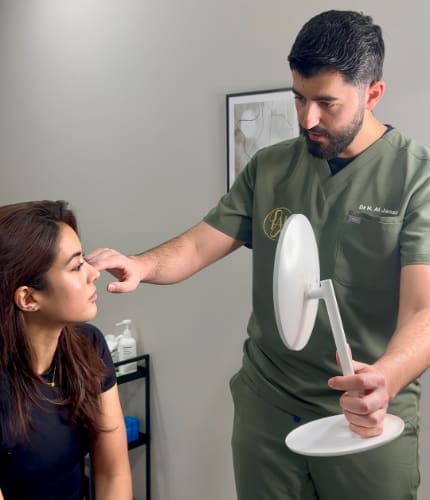
It’s worth seeking professional evaluation when:
- Under-eye hollows are deep or long-standing
- Home remedies and skincare make little difference
- Pigmentation or vascular darkness is significant
- Puffiness is persistent or worsens over time
- You are considering filler or aesthetic treatments
- Tired eyes affect confidence, expression, or appearance
At Dr Hass Clinic, we provide a detailed assessment of:
- Anatomy (tear trough depth, midface support, fat pads)
- Skin quality and pigmentation
- Lifestyle contributors
- Suitability for filler, energy-based treatments, and rejuvenation procedures
A personalised plan always yields safer, more natural, and longer-lasting results.
Key Takeaways
- Tired eyes come from multiple overlapping causes (not just lack of sleep).
- Prevention involves hydration, sleep habits, allergy control, and medical-grade skincare.
- Home remedies help, but structural issues usually require medical treatments.
- Tear trough filler and cheek filler are highly effective for hollowness and shadowing.
- Energy-based treatments improve fine lines, texture, and thin skin.
- Early specialist assessment ensures natural results and avoids overtreatment.
Conclusion
Tired-looking eyes are one of the most common aesthetic concerns, but also one of the most treatable.
Whether your issue stems from hollowness, dark circles, puffiness, or skin quality, there is always a tailored solution that can restore brightness and balance to the under-eye area.
With the right combination of prevention, home care, and professional treatments, refreshed eyes are absolutely achievable.
FAQs
Are tired eyes always caused by lack of sleep?
No. Sleep helps, but tired eyes often come from genetics, volume loss, thin skin, pigmentation, or fluid retention.
Can skincare alone fix tired-looking eyes?
Skincare can brighten and hydrate but cannot correct structural issues like hollows or significant volume loss. It’s complementary, not curative.
How long does tear trough filler last?
Typically 9–18 months, depending on your metabolism, lifestyle, and anatomy.
How do I know which treatment I actually need?
A professional assessment evaluates anatomy, pigmentation, skin thickness, and volume patterns to determine the most effective approach.

Related Treatments


Related Conditions


Our Clinic
Your Sanctuary
Welcome to our clinic, where innovation, expertise, and personalised care merge to redefine your natural beauty. We specialise in providing a wide range of non-invasive treatments that deliver remarkable results without the need for surgery.
Don’t Take Our Word For it…
Our clients’ satisfaction is at the heart of everything we do. We take immense pride in helping individuals enhance their natural beauty and boost their confidence.