
Is Cheek Filler Safe?

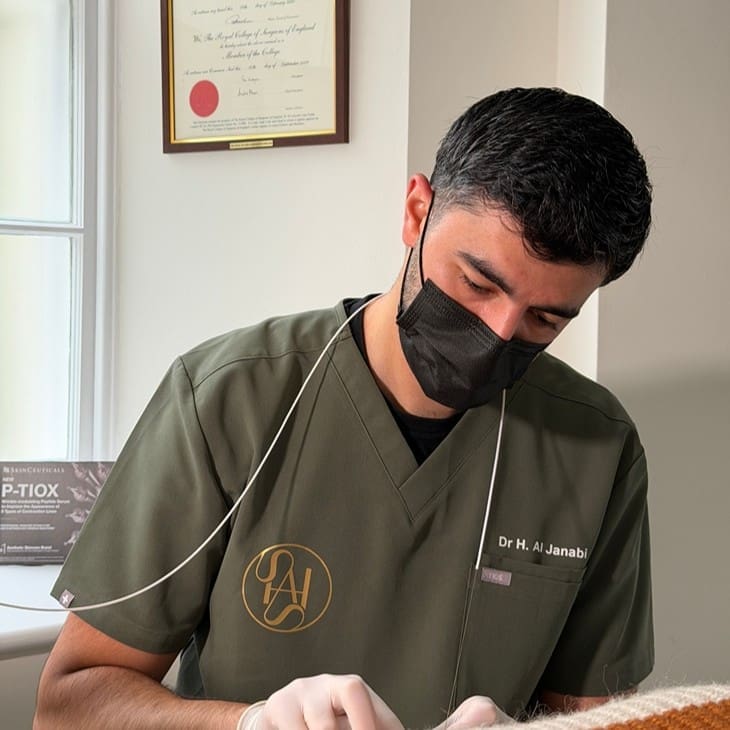
Dr Hasaneen Al Janabi MBBS MRCS (ENT) - Dr Hass Clinic Founder & Medical Director

Published by Dr Hasaneen

Published date 17.02.26

Cheek fillers have become one of the most popular non-surgical treatments for restoring volume, enhancing facial contours, and achieving a youthful appearance.

Many patients ask, “Is cheek filler safe?” At Dr Hass Clinic, our cheek filler treatments are centred around safety, precision, and natural-looking results.

This article explores the science behind cheek fillers, their mechanism of action, clinical evidence, potential risks, and guidelines for safe practice, helping patients make informed decisions.
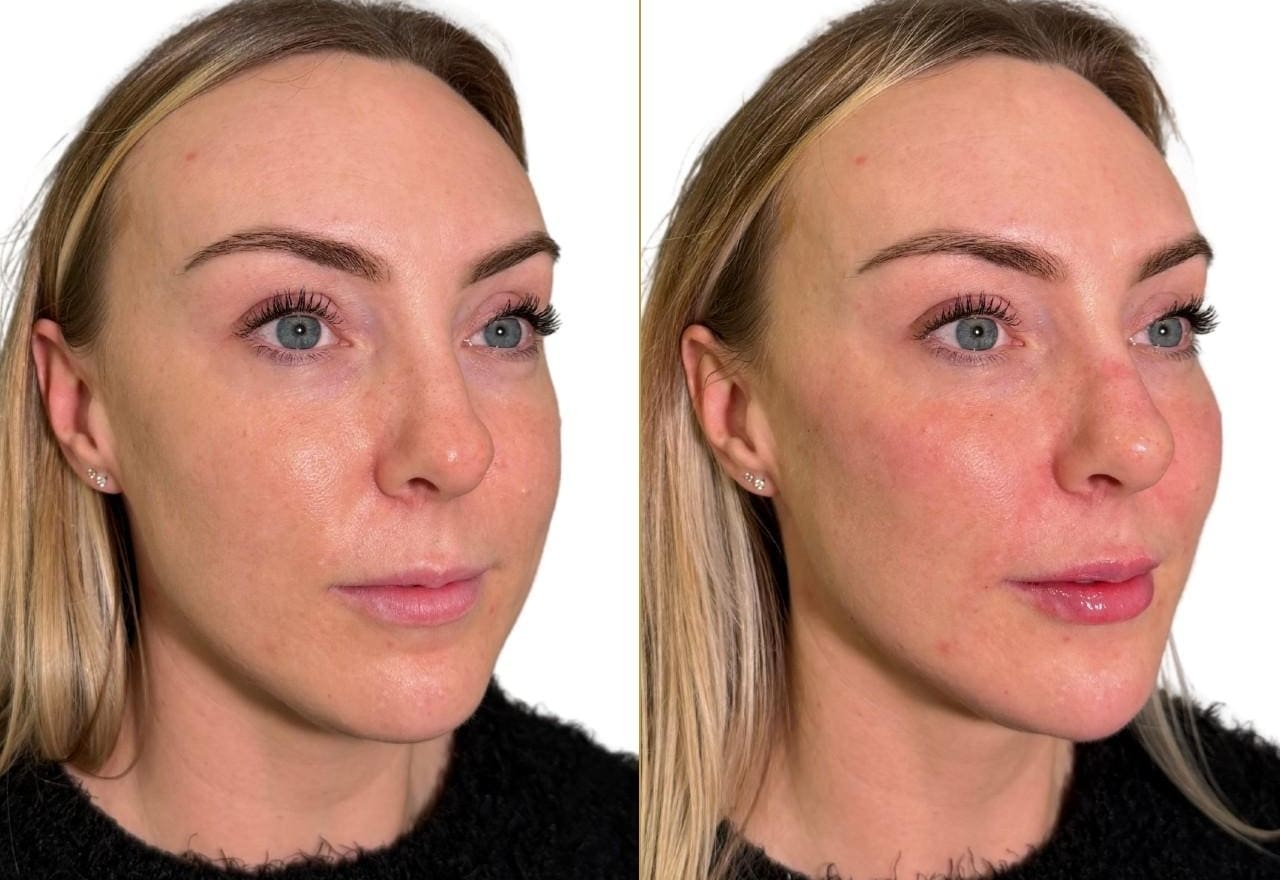
Cheek Filler for Mid Face Support - How It Rejuvenates

How Cheek Fillers Work

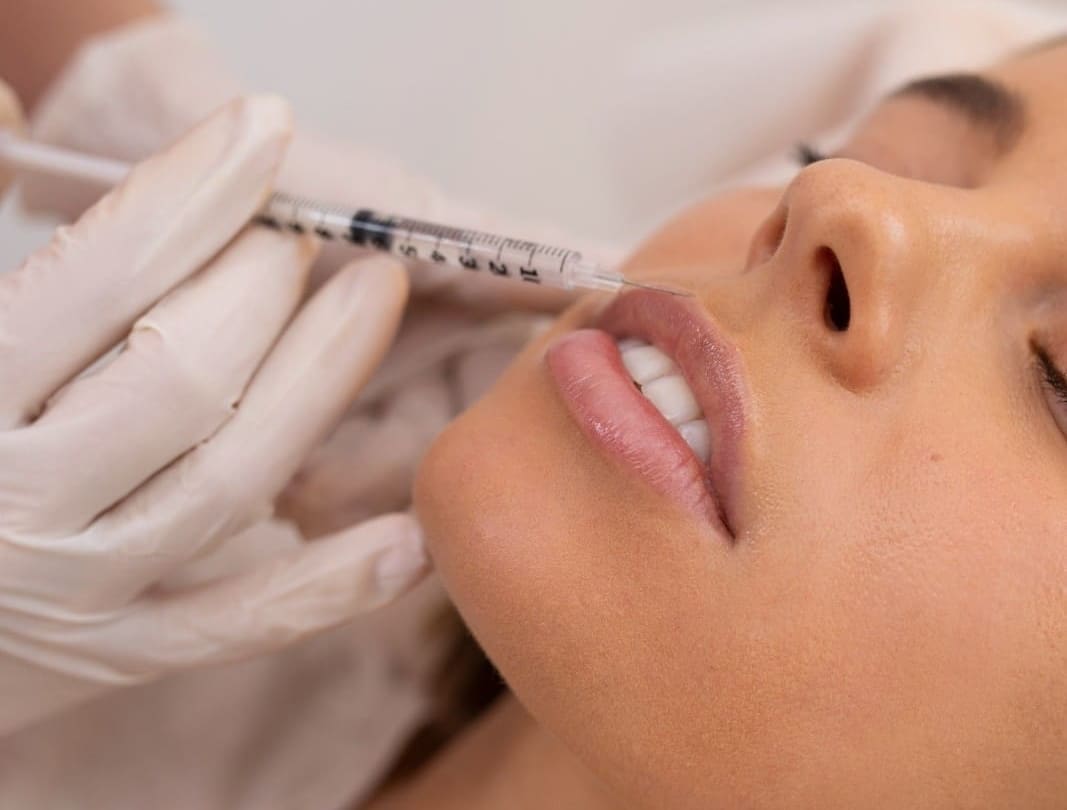
Cheek fillers are typically made from hyaluronic acid, a naturally occurring substance in the body that attracts water and supports tissue structure. When injected strategically into the midface, fillers:

  • Restore lost volume due to ageing
  • Lift and contour the cheeks for a balanced profile
  • Smooth nasolabial folds and under-eye hollows
  • Provide gradual and natural-looking rejuvenation

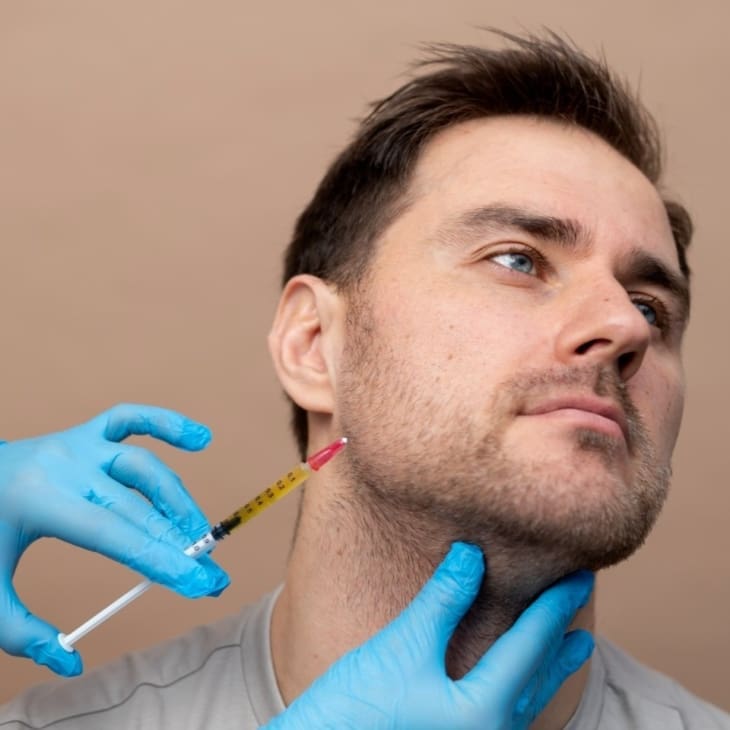
Modern filler techniques rely on precise placement using microcannulas or fine needles, which minimise bruising, swelling, and other complications. Selection of filler type, depth, and volume is critical to achieving safe and effective results.

Cheek fillers can be tailored for:

  • Midface volume restoration
  • Lifting the cheekbones
  • Softening tear troughs
  • Enhancing overall facial harmony
Cheek Filler Before and After - Dr Hass Clinic

Clinical Evidence Supporting Safety

Numerous studies and reviews support the safety and effectiveness of hyaluronic acid cheek fillers when administered by trained professionals.

  • A large systematic review of high-level evidence studies found that most adverse events with hyaluronic acid dermal fillers are transient and mild to moderate, resolving without treatment, and severe complications are rare. See the full systematic analysis on PubMed.
  • Another systematic review by PubMed focused on hyaluronic acid fillers specifically for midface (cheek) augmentation reported that HA fillers have a favourable safety profile with low incidence of complications when used properly.
  • Broad literature reviews show that common injection site reactions (such as swelling, redness, pain, and bruising) are typically mild and self-limiting, lasting only a few days.

Together, these sources confirm that cheek fillers are generally safe when performed by an experienced clinician who understands facial anatomy and uses appropriate techniques.

Risk-Benefit Analysis

Cheek fillers offer a strong balance of aesthetic benefits and safety when performed by qualified clinicians.

Benefits include:

  • Non-surgical midface lifting and contouring
  • Immediate, natural-looking results
  • Quick recovery, often 1–3 days
  • Customisable plans to individual facial anatomy

Potential risks include:

  • Mild, temporary redness, swelling, or bruising
  • Tenderness or lumpiness at injection sites
  • Rare vascular complications (e.g., occlusion)
  • Infection or allergic reaction (very rare)

Most adverse events are mild and resolve quickly. However, severe complications like vascular occlusion or tissue necrosis can occur in rare cases and require prompt treatment. Proper education, injection technique, and professional training are crucial to minimising all risks.

The Importance of Choosing a Reputable Clinic

At Dr Hass Clinic, safety and precision are integrated into every stage of your cheek filler treatment:

  • Doctor-led treatments: All procedures performed by Dr Hasaneen Al Janabi, GMC-registered and Royal College of Surgeons member
  • Certified products: Only medical-grade hyaluronic acid fillers approved for midface rejuvenation
  • Individualised plans: Tailored to facial anatomy, skin type, and aesthetic goals
  • Strict clinical protocols: Sterility, careful monitoring, and detailed aftercare
  • Proven expertise: Trusted by thousands of patients across London

These measures ensure that treatments are both safe and effective, giving natural and long-lasting results.

Frequently Asked Questions

Is cheek filler safe for all skin types?
Yes. Hyaluronic acid is naturally occurring and suitable for most skin types, with minimal risk of allergic reaction.

How soon can I return to normal activities?
Most patients resume normal activities within 24–72 hours. Mild swelling or bruising may persist for a few days.

How long do results last?
Results typically last 12–18 months, depending on the type of filler, metabolism, and lifestyle factors.

Who should avoid cheek fillers?
Patients who are pregnant, breastfeeding, have active infections, bleeding disorders, or uncontrolled medical conditions should avoid treatment.

Conclusion

Cheek fillers are a clinically supported, minimally invasive option for midface rejuvenation and contouring. When performed by trained practitioners using certified products and individualised treatment plans, they are safe and effective, offering natural-looking volume restoration and lifting without the risks of surgery.

Book a consultation at Dr Hass Clinic to find out if cheek fillers are right for you and receive personalised guidance from an expert aesthetic physician.

Latest News

What Our Clients Say

Our clients’ satisfaction is at the heart of everything we do. We take immense pride in helping individuals enhance their natural beauty and boost their confidence. But don’t just take our word for it—here’s what some of our valued clients have to say.

Dr Hass Surgeon-led Aesthetic Clinic Mayfair Waiting Area Dr Hass Clinic - Luxury Aesthetic Clinic Mayfair

Our Clinic

Your Sanctuary

Welcome to our clinic, where innovation, expertise, and personalised care merge to redefine your natural beauty. We specialise in providing a wide range of non-invasive treatments that deliver remarkable results without the need for surgery.