
Facial Masculinisation for Younger vs Older Men

Dr Hasaneen Al Janabi MBBS MRCS (ENT) - Dr Hass Clinic Founder & Medical Director

Published by Dr Hasaneen

Published date 13.02.26

Facial masculinisation has grown in popularity as more men seek a stronger jawline, sharper cheekbones, and a more confident appearance.

While the goal may seem the same across ages, the approach differs.

Younger men usually need structural enhancement, whereas older men often benefit from a combination of structural and skin treatments.
Dr Hass - Masculinization

Understanding Facial Masculinisation

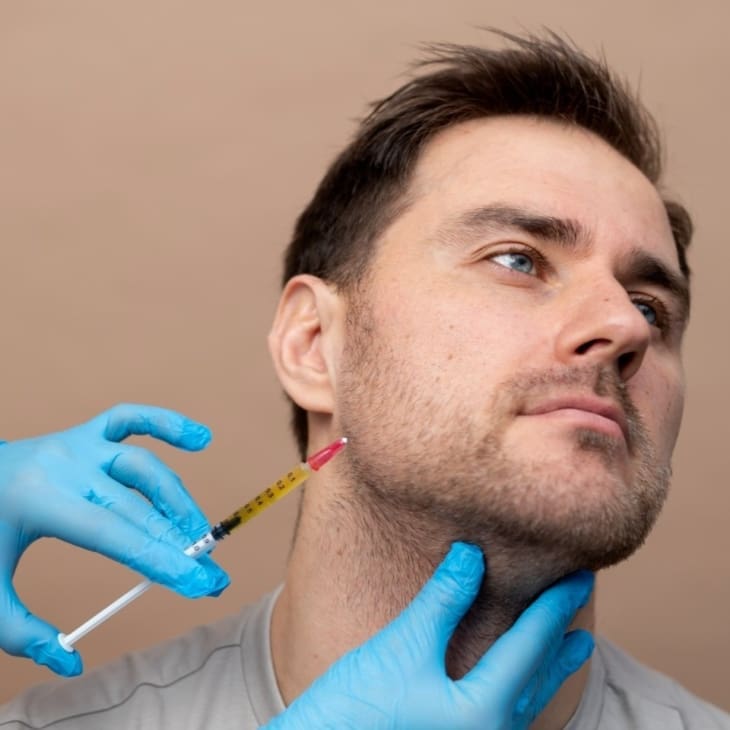
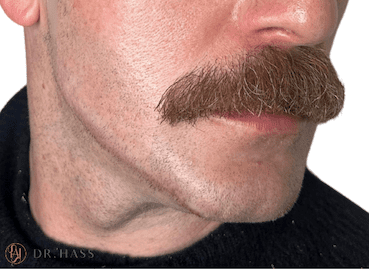
Non-surgical facial masculinisation focuses on enhancing the underlying structure rather than simply adding volume. The main areas treated are the jawline, chin, and cheeks. When placed correctly, fillers can create sharper angles, stronger contours, and a more defined appearance without surgery.

Key treatments often include:

  • Jawline filler to define the lower facial border and create stronger angularity
  • Chin filler to improve projection and balance the profile
  • Cheek filler to support an elevated, defined mid-face silhouette

Even small adjustments can significantly improve facial harmony. Over-treatment can lead to an unnatural or heavy appearance.

Dr Hass - Masculinization

Why Age Matters

Male facial ageing differs from female ageing. Men generally start with thicker, more collagen-rich skin and a strong skeletal framework, which delays visible sagging. However, collagen levels decline steadily from the early twenties, and subtle changes in bone and fat distribution can affect the jawline and midface.

Trends also show increasing interest among younger men. Procedures such as jawline filler and botulinum toxin treatments are rising in popularity among men aged 18 to 34, with many urban populations now spending at rates comparable to women.

Facial Masculinisation in Younger Men (20s-30s)

Men in their twenties to early forties usually have firm skin and stable collagen. This allows treatments to focus primarily on structural enhancement rather than restoration.

Typical goals for younger men include:

  • Sharper jawline angles
  • Improved chin projection
  • Subtle cheek definition
  • A more defined side profile

Because the skin is resilient, filler placement can be precise and conservative, enhancing angles rather than altering proportions. Even small adjustments can noticeably increase perceived masculinity. Gradual refinement is key, as over-treatment is immediately noticeable.

Facial Masculinisation in Older Men

Men over forty often experience age-related changes such as bone resorption, soft tissue descent, and reduced skin elasticity. Jawlines may soften, cheeks may flatten, and the overall facial structure can appear less defined.

In these cases, structural fillers alone may not be sufficient. A combined approach often produces the best results. Treatments may include:

  • Jawline, chin, and cheek fillers for structural enhancement
  • Anti-wrinkle injections to smooth dynamic lines
  • Polynucleotides to improve hydration and support collagen
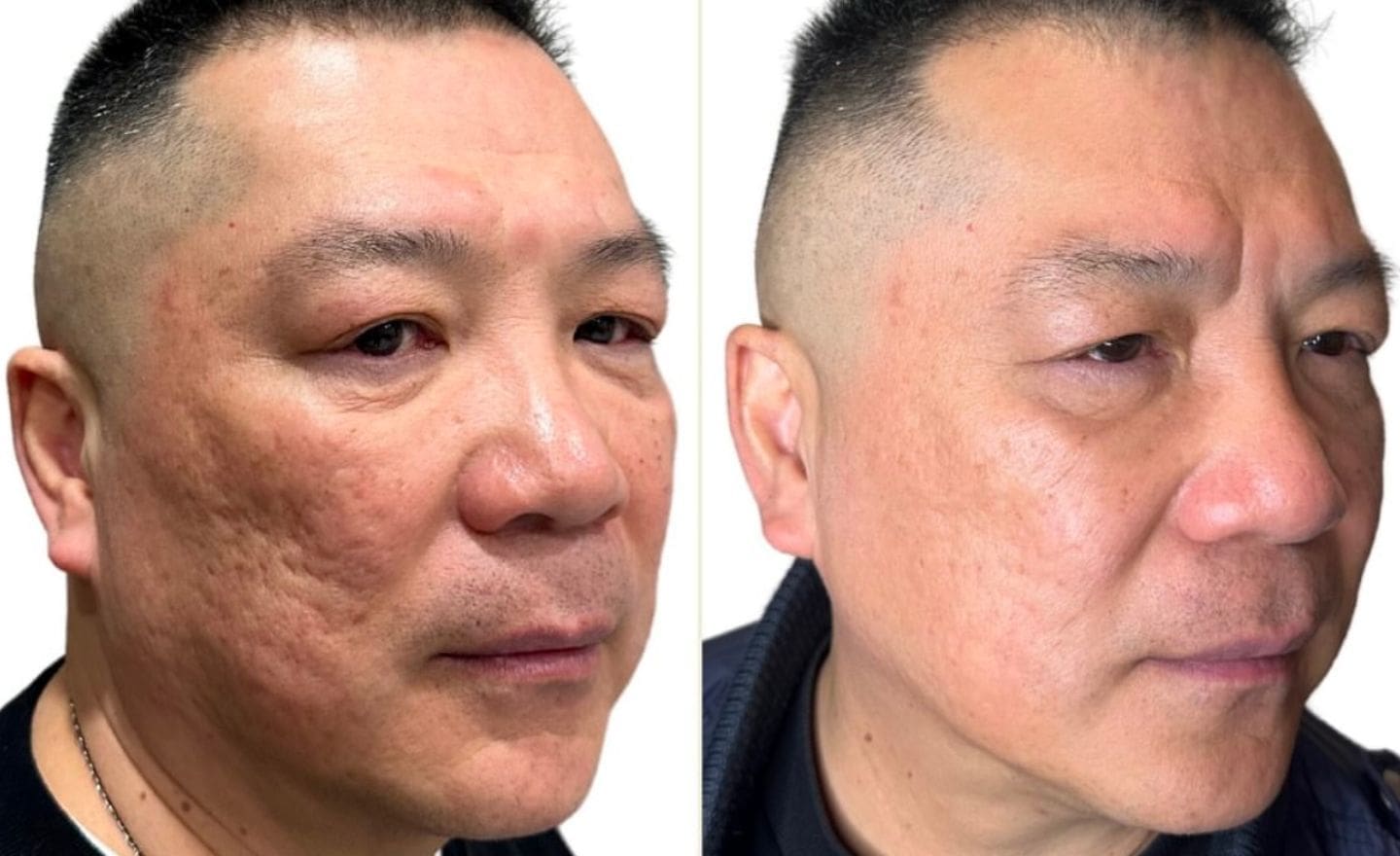
  • Microneedling to stimulate natural collagen production
  • Energy-based treatments such as Endolift for skin tightening and contouring

This approach restores masculine structure while improving skin quality, resulting in balanced and age-appropriate outcomes.

Cosmetic Procedures- microneedling

Personalised Planning

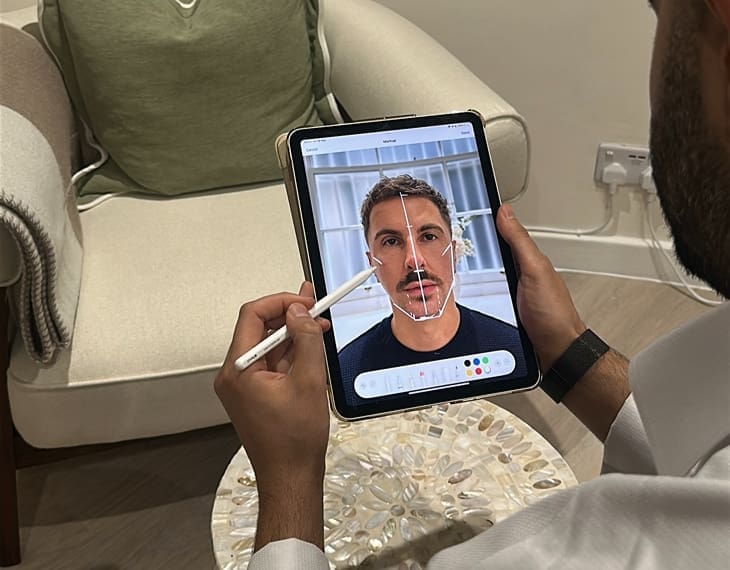
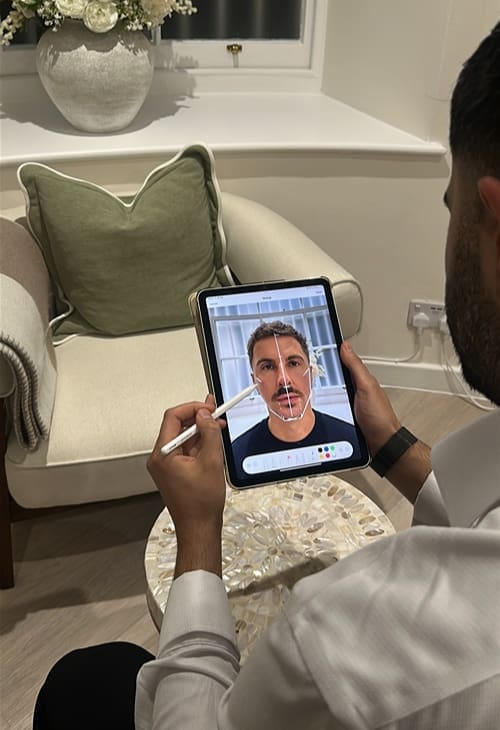
Facial masculinisation is not a single procedure but a strategy shaped by age, anatomy, and personal goals. A clinician assesses the interplay of bone framework, soft tissue support, skin quality, and aesthetic priorities before recommending a plan.

Younger men often require precision contouring with emphasis on the lower third of the face. Older men benefit from a layered approach that addresses structure and skin quality simultaneously. Patient satisfaction is generally high when expectations are realistic and treatments are staged conservatively.

Safety and Expectations

Non-surgical facial masculinisation is considered safe when performed by qualified practitioners. Success depends on:

  • Detailed anatomical understanding
  • Appropriate product selection and placement technique
  • Conservative, staged planning rather than full-volume enhancement in one session
  • Clear discussion about realistic outcomes and maintenance

More filler does not mean better results. Over-treatment can stiffen areas, disrupt facial movement, or create disproportionate contours.

Non-Surgical versus Surgical Options

Non-surgical treatments offer minimal downtime, adjustable outcomes, progressive enhancement, and lower risk compared with surgery. Surgery may be appropriate for more advanced structural changes or when permanent results are desired.

Final Thoughts

Facial masculinisation is a combination of structural enhancement and, when needed, skin rejuvenation, tailored to age, anatomy, and personal goals.

  • Younger men benefit primarily from targeted structural definition.
  • Older men achieve better results when fillers are combined with treatments that improve skin quality.

A thoughtful, individualised approach ensures results are natural, balanced, and aligned with each patient’s stage of life.

For detailed statistics on male aesthetic procedures and trends, see the American Society of Plastic Surgeons 2024 report here.

Latest News

What Our Clients Say

Our clients’ satisfaction is at the heart of everything we do. We take immense pride in helping individuals enhance their natural beauty and boost their confidence. But don’t just take our word for it—here’s what some of our valued clients have to say.

Dr Hass Surgeon-led Aesthetic Clinic Mayfair Waiting Area Dr Hass Clinic - Luxury Aesthetic Clinic Mayfair

Our Clinic

Your Sanctuary

Welcome to our clinic, where innovation, expertise, and personalised care merge to redefine your natural beauty. We specialise in providing a wide range of non-invasive treatments that deliver remarkable results without the need for surgery.