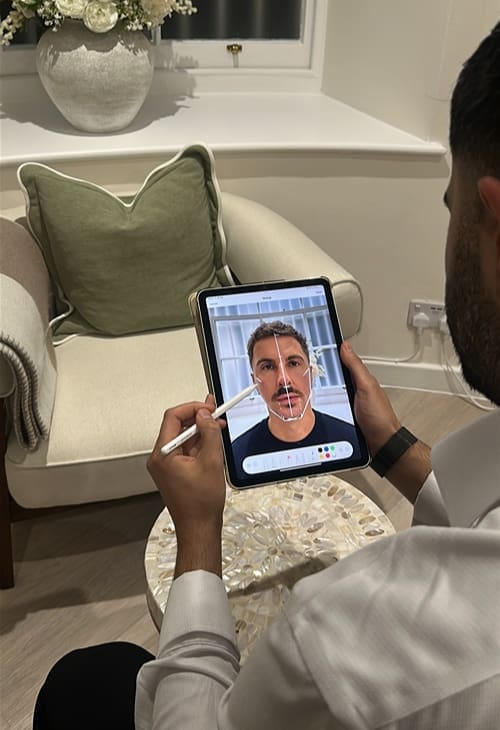

7 Common Cheek Filler Mistakes & How to Avoid Them

Dr Hasaneen Al Janabi MBBS MRCS (ENT) - Dr Hass Clinic Founder & Medical Director

Published by Dr Hasaneen

Published date 10.02.26

Cheek filler has become one of the most effective non-surgical treatments for restoring facial structure, improving contour, and subtly rejuvenating the midface. When performed well, it rarely looks like “filler”. Instead, the face simply appears fresher, more balanced, and slightly lifted.

However, the cheeks are also one of the areas where mistakes can be particularly visible. Overfilled midfaces, unnatural cheek projection, persistent puffiness, or facial imbalance usually stem not from filler itself, but from planning errors, product selection, or unrealistic expectations.

Understanding these pitfalls before treatment helps patients make informed decisions and achieve natural, lasting results.
1. Confusing Volume With Structural Rejuvenation

A common misconception is that youthful cheeks simply mean fuller cheeks. In reality, ageing involves gradual changes to:

  • Bone structure
  • Fat distribution
  • Skin elasticity
  • Ligament support

Adding volume without considering these deeper anatomical changes can create heaviness rather than lift.

Excess filler in the wrong area may:

  • Widen the face
  • Flatten natural contours
  • Create an artificially padded midface

Often, subtle structural placement along the cheekbone produces more elegant results than increasing projection in the softest part of the cheek.

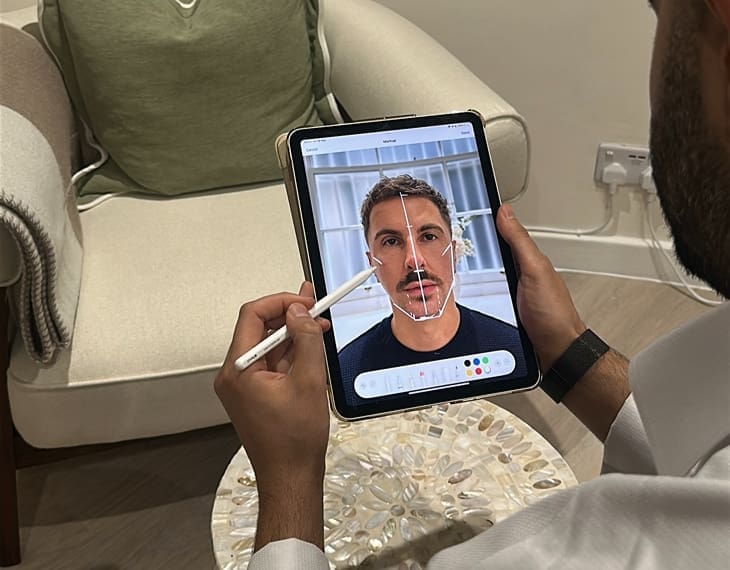
This is why careful facial assessment is essential. A structural, balance-focused approach typically leads to more natural appearance and better longevity.

2. Choosing an Injector Without Advanced Anatomical Understanding

Cheek filler is technically demanding. The midface contains:

  • Important vascular pathways
  • Multiple fat compartments
  • Retaining ligaments affecting both safety and aesthetics

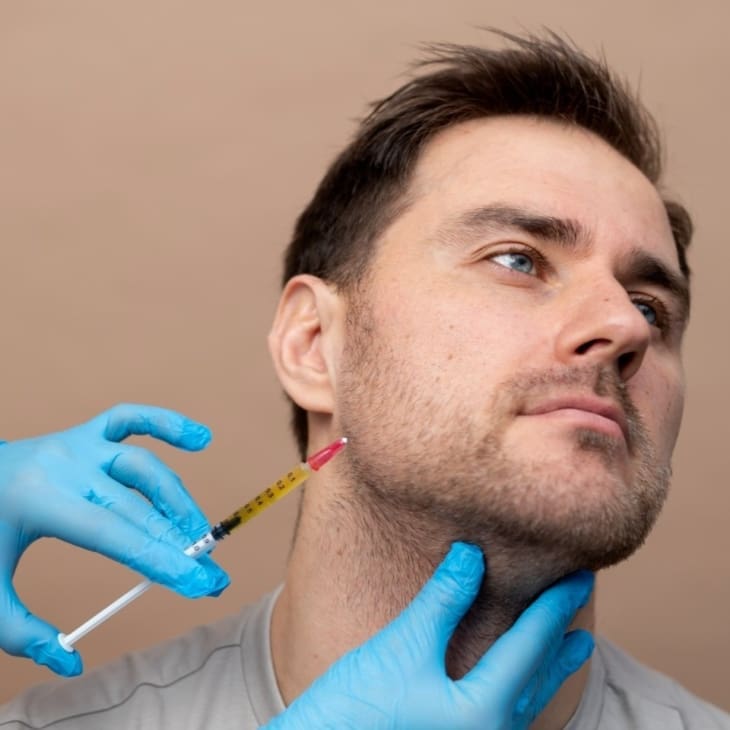
Complications can include infection, vascular compromise, lumps, or asymmetry, which is why treatment by appropriately qualified medical practitioners is strongly recommended.

From an aesthetic standpoint, insufficient anatomical expertise may lead to:

  • Flattened or widened cheeks instead of lift
  • Persistent swelling or irregular contour
  • Filler migration over time

Experienced injectors approach cheek filler three-dimensionally, considering how treatment influences the eyes, jawline, and overall facial proportions rather than treating cheeks in isolation.

According to NHS guidance on dermal fillers, complications can include infection, vascular compromise, lumps or asymmetry, which is why treatment by appropriately qualified medical practitioners is strongly recommended: https://www.nhs.uk/conditions/cosmetic-procedures/dermal-fillers/.

At Dr Hass Clinic, cheek filler assessment focuses heavily on anatomy first and volume second, precisely because correct placement determines whether results look natural months later, not just immediately after treatment.

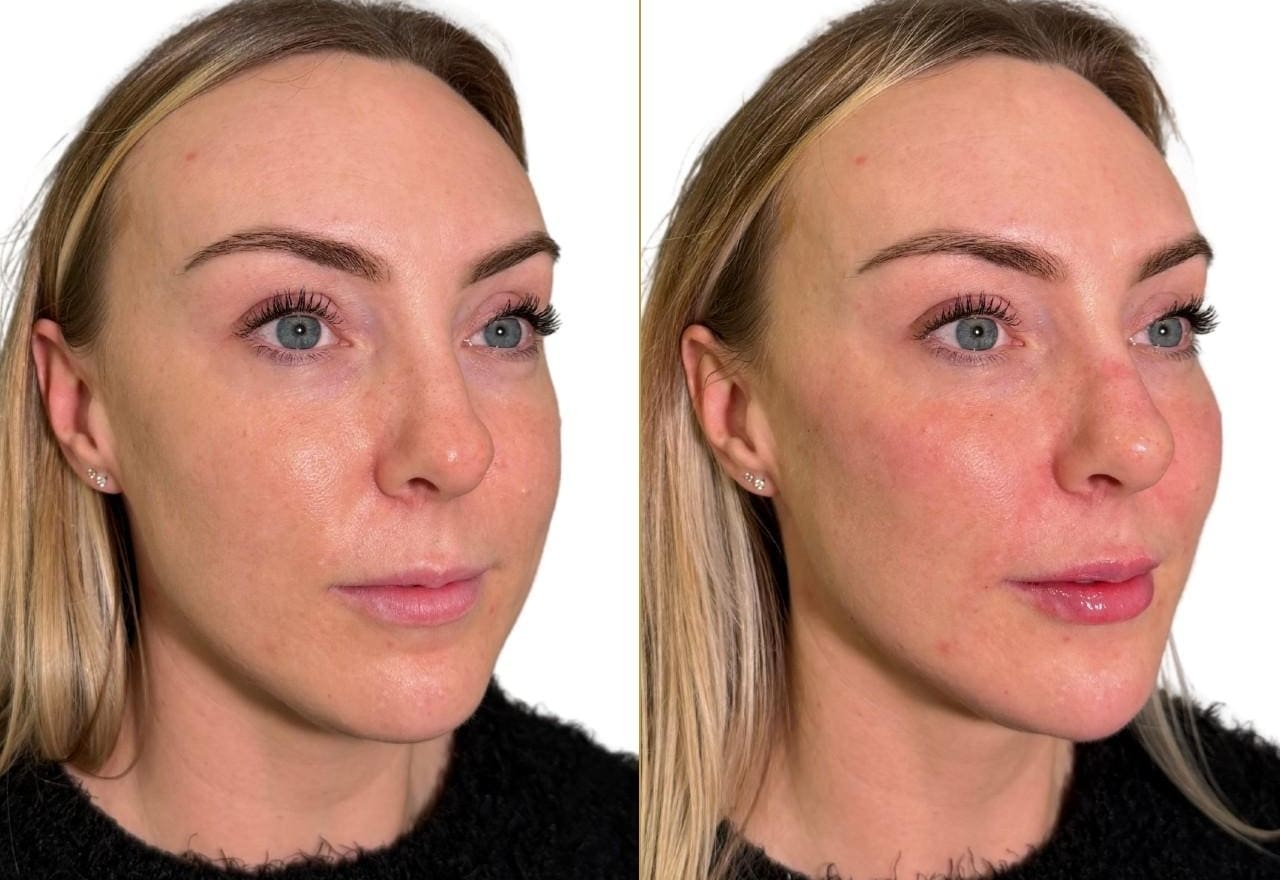
Below is an example of how we treat our patients with cheek filler.

Cheek Filler Before and After - Dr Hass Clinic

3. Overfilling Through Gradual Top-Ups

Most overfilled cheeks develop gradually, not in a single session. Repeated top-ups without reassessing existing filler or facial harmony can lead to excess projection or heaviness.

Hyaluronic acid filler often lasts longer than patients expect, particularly in the midface where movement is limited. Adding more filler too soon can result in:

  • Over-projected cheeks
  • A puffy or heavy midface
  • Reduced natural contour

A staged approach with time for settling and reassessment usually produces more refined, predictable results.

4. Using the Wrong Type of Filler for Cheek Structure

Patients often focus on brand names, but clinically what matters most is how a filler behaves within tissue. Key characteristics include:

  • Cohesivity
  • Elasticity
  • Water attraction

These determine whether a filler provides true structural support or simply softness.

Examples:

  • Juvederm Voluma and Restylane Lyft are commonly used for structural cheek support.
  • Softer fillers designed for lips or superficial lines may integrate well but often provide insufficient lift in the cheeks.

Choosing the right filler depends on bone structure, skin thickness, facial movement, and treatment goals. An unsuitable product can compromise both longevity and aesthetic outcome.

5. Ignoring Overall Facial Balance

The cheeks sit at the centre of facial harmony. Changes here influence how other areas appear, including:

  • Under-eye hollows
  • Jawline definition
  • Temples
  • Nasolabial folds

Sometimes cheek filler alone improves tired-looking eyes through structural support. In other cases, issues like tear trough hollowing, skin quality, or chin projection play a larger role.

Treating cheeks in isolation may leave patients feeling something still looks incomplete, even when the filler itself is technically well placed.

A full-face assessment generally leads to more cohesive, natural results.

6. Expecting Filler to Replace Surgical Correction

Cheek filler is highly effective for:

  • Early to moderate volume loss
  • Contour refinement
  • Subtle rejuvenation

However, it cannot remove excess skin, reposition significant fat descent, or replicate surgical lifting when ageing changes are more advanced.

Understanding this helps prevent cycles of repeated filler that may eventually create heaviness without solving the underlying issue.

Appropriate patient selection remains one of the most important factors in long-term satisfaction.

7. Underestimating Skin Quality and Lifestyle Factors

Filler sits within living tissue, so skin quality strongly influences results. Factors affecting longevity and integration include:

  • Sun exposure
  • Smoking
  • Collagen depletion
  • Weight fluctuations
  • Skincare habits

Often, the most natural outcomes come from combining structural filler with:

  • Medical-grade skincare
  • Collagen stimulation treatments
  • Healthy lifestyle choices

This holistic approach tends to produce more stable, refined results.

Final Thoughts

Cheek filler can be one of the most elegant and effective non-surgical aesthetic treatments when approached thoughtfully. Unsatisfactory results usually arise not because filler is problematic, but due to:

  • Excessive volume
  • Insufficient anatomical planning
  • Unrealistic expectations

Patients who prioritise expertise, conservative treatment planning, and a full-face perspective typically achieve results that remain natural over time.

Ultimately, well-performed cheek filler should enhance facial harmony quietly. The goal isn’t for people to notice filler — it’s for them to notice that you look well, rested, and balanced.

Latest News

What Our Clients Say

Our clients’ satisfaction is at the heart of everything we do. We take immense pride in helping individuals enhance their natural beauty and boost their confidence. But don’t just take our word for it—here’s what some of our valued clients have to say.

Dr Hass Surgeon-led Aesthetic Clinic Mayfair Waiting Area Dr Hass Clinic - Luxury Aesthetic Clinic Mayfair

Our Clinic

Your Sanctuary

Welcome to our clinic, where innovation, expertise, and personalised care merge to redefine your natural beauty. We specialise in providing a wide range of non-invasive treatments that deliver remarkable results without the need for surgery.