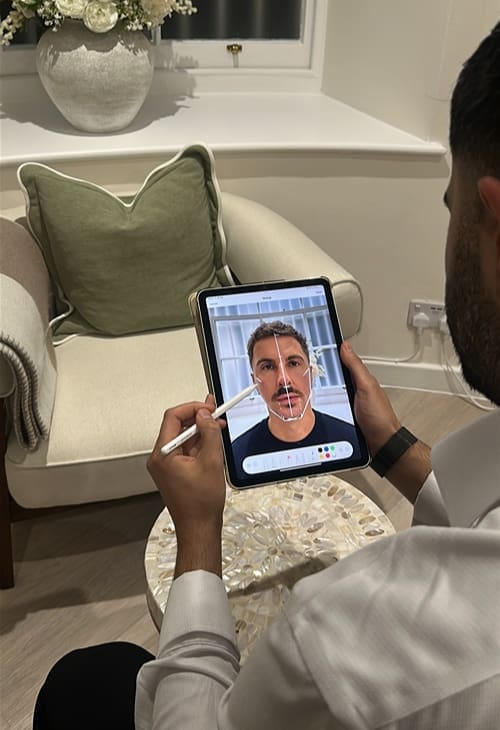

Cheek Filler vs Fat Transfer: Key Differences Explained

Dr Hasaneen Al Janabi MBBS MRCS (ENT) - Dr Hass Clinic Founder & Medical Director

Published by Dr Hasaneen

Published date 18.02.26

Choosing how to restore or enhance cheek volume can feel confusing. Cheek fillers and fat transfer are both clinically recognised approaches, but they work very differently. Understanding the science, recovery, longevity, and cost helps you make a confident decision based on your anatomy and goals rather than trends.

According to the British Association of Aesthetic Plastic Surgeons, demand for minimally invasive facial treatments continues to grow because patients increasingly want predictable results with minimal downtime. Both options can improve facial harmony, but suitability depends on expectations, facial structure, and tolerance for procedures.

This guide will provide an in-depth comparison of the two treatments in order to help you in making the best possible choice.
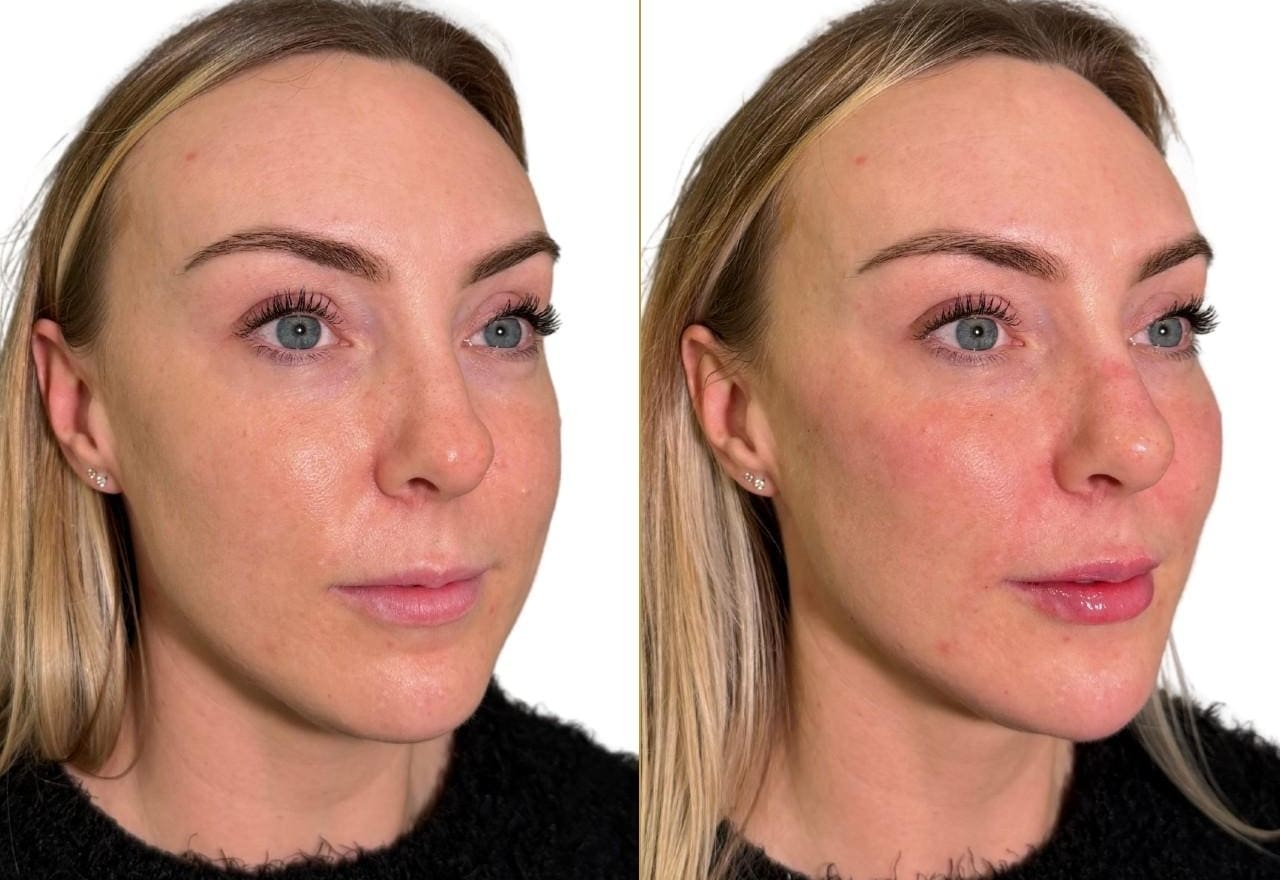
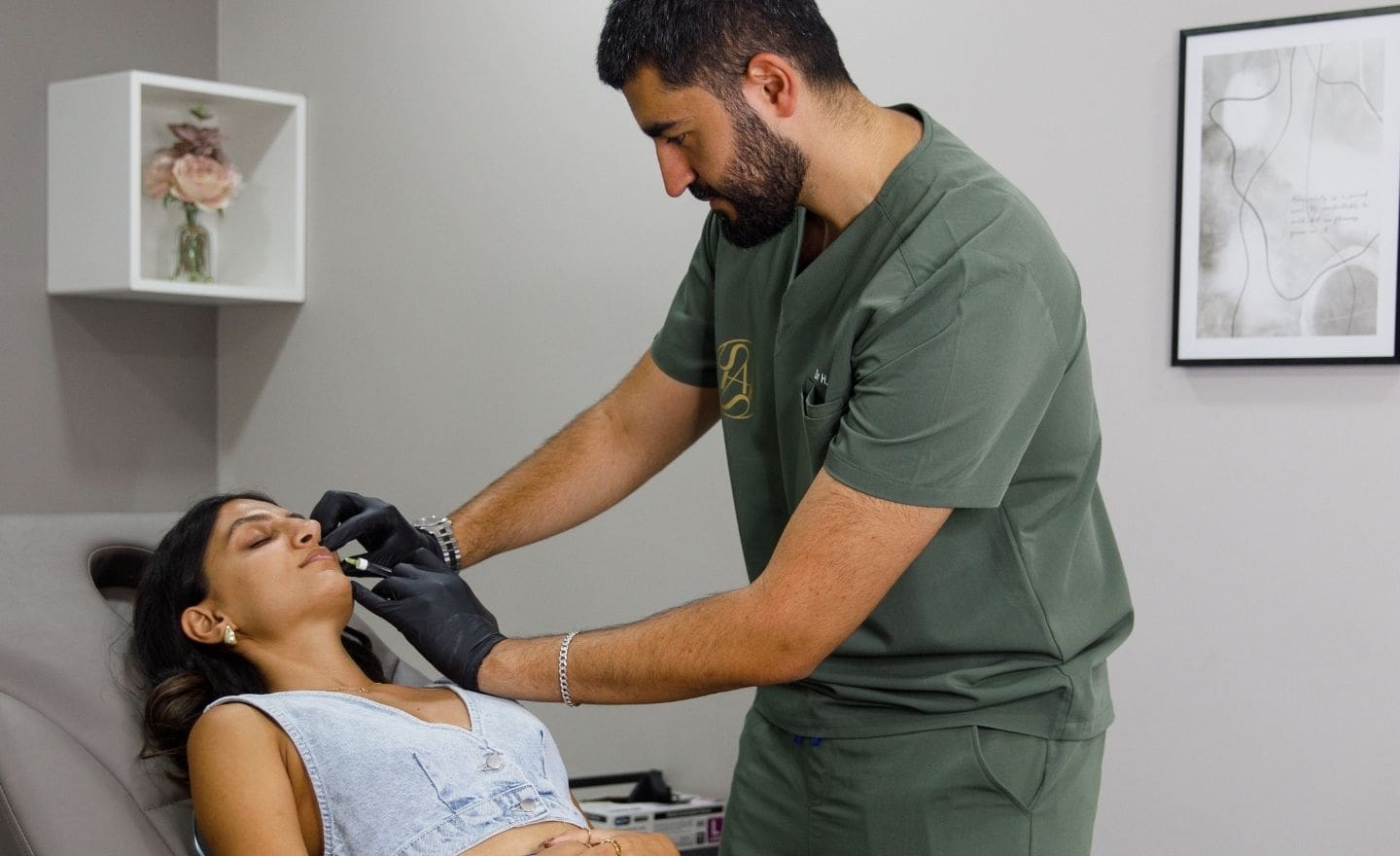
Cheek Filler Before and After - Dr Hass Clinic

What Cheek Fillers Actually Do

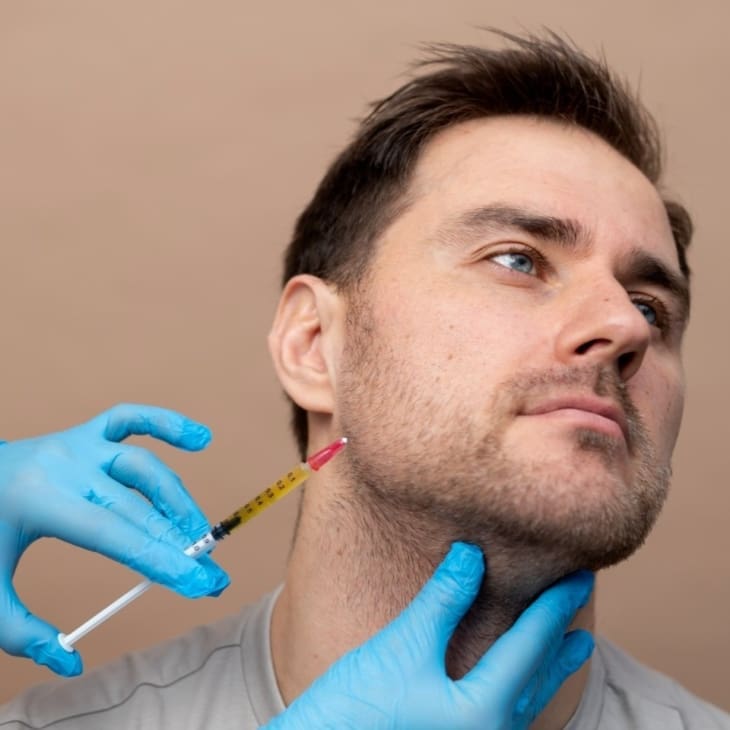
Cheek fillers are usually hyaluronic acid based injectables designed to restore lost volume, enhance contour, and subtly lift the midface. Hyaluronic acid naturally occurs in the skin, which is why modern fillers integrate well when placed correctly.

At Dr Hass Clinic, our cheek filler treatments focus on structural placement rather than simple plumping. Carefully placed filler along the cheekbone can improve projection, support surrounding tissues, and refresh overall facial balance while maintaining natural expression.

Results are visible immediately, although mild swelling may last several days. Most modern fillers last around 9 to 18 months, depending on metabolism, lifestyle, and injection technique.

Volume requirements vary widely. Treatments often start at about 1 ml for subtle midface freshening and can extend to 3 to 4 ml for more significant contour enhancement. If you want a clearer sense of what might suit your face, you can read our guide about how much cheek filler could be right for you. Understanding volume planning is key to avoiding unnatural results.

What Fat Transfer Involves

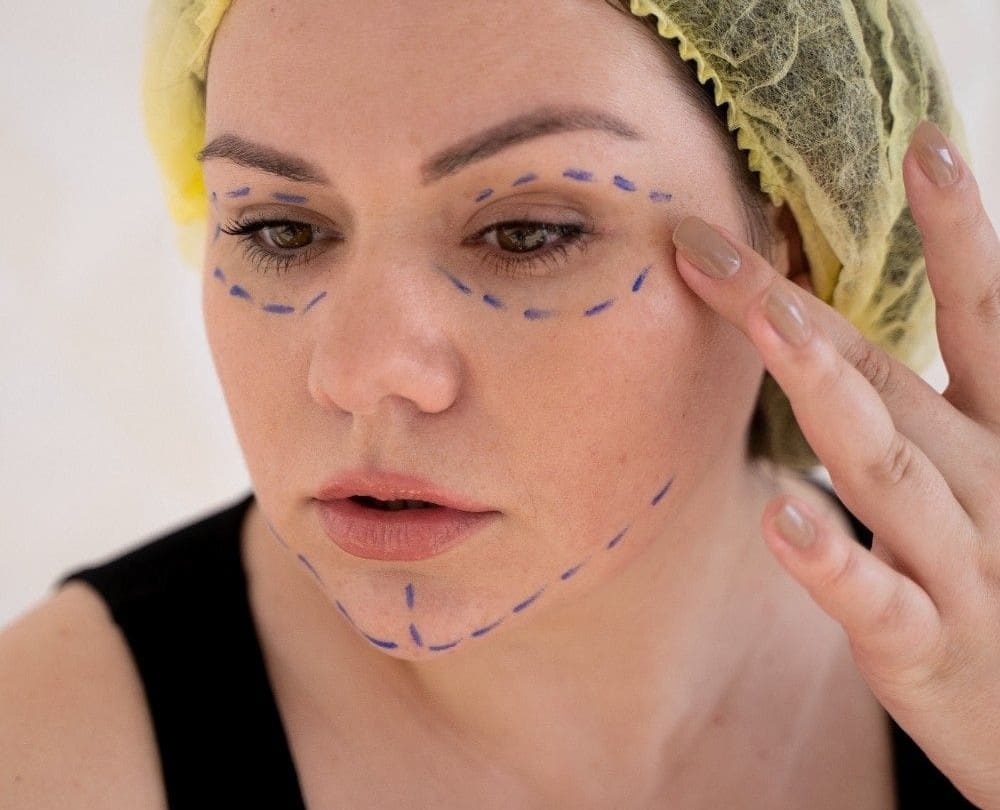
Fat transfer, sometimes called fat grafting, is a minor surgical procedure. Fat is harvested from another body area, usually the abdomen or thighs, purified, and then injected into the cheeks.

This technique uses your own tissue, so allergy risk is extremely low. Some patients also experience modest skin quality improvement due to regenerative cells within fat tissue. However, results are less predictable because not all transferred fat survives long term.

Recovery typically involves one to three weeks of swelling or bruising, both at the donor site and in the face, which is considerably longer than filler recovery.

Cheek Filler vs Fat Transfer: Differences Explained

Longevity and Maintenance

Fillers are temporary by design. This can actually be beneficial because facial ageing continues, allowing adjustments over time to maintain natural proportions.

Fat transfer can last longer once grafted fat establishes a blood supply. Clinical studies suggest roughly 50 to 70 percent retention is common, though individual variation is significant. Some patients require repeat procedures to maintain symmetry.

Many clinicians recommend starting with fillers first because results are reversible, adjustable, and less invasive.

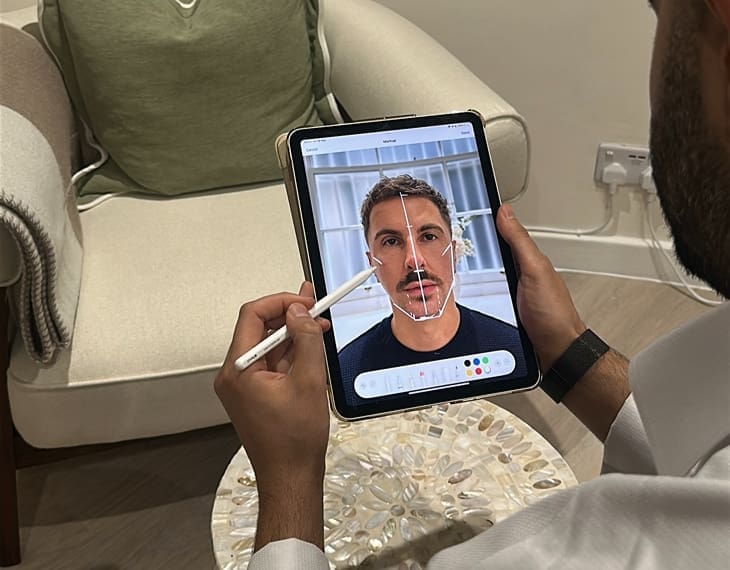
Filler Consultation at Dr Hass Clinic

Cost Differences in the UK

Pricing reflects complexity, materials, and clinical setting rather than simply the amount of product used.

Cheek filler costs: In the UK, treatment starts from around £300 per 1 ml syringe. Most initial treatments use between 1 and 3 ml depending on facial anatomy and desired outcome.

Fat transfer costs: In the UK, this procedure usually ranges from approximately £2,000 to £4,000, covering harvesting, processing, procedural time, and aftercare.

Although fat transfer may last longer, fillers often provide greater flexibility and staged investment, which many patients find more practical.

Safety and Clinical Considerations

Both treatments are safe when performed by experienced medical professionals, but they carry different risk profiles. Fillers require precise anatomical knowledge to avoid vascular complications, while fat transfer involves surgical technique and anaesthetic considerations.

A proper consultation should always include detailed facial assessment, discussion of realistic outcomes, and clear explanation of risks and alternatives. At Dr Hass Clinic, emphasis is placed on conservative planning, natural proportions, and evidence based technique to maximise safety and long term satisfaction.

Which Option Is Usually Better?

There is no universal answer.

Generally, cheek filler suit patients wanting minimal downtime, immediate results, and non surgical treatment. Fat transfer may appeal to those comfortable with surgery who prefer potentially longer lasting volume.

Many specialists favour a gradual approach, starting conservatively with fillers before considering surgical options.

Final Thoughts

Both cheek fillers and fat transfer can produce excellent aesthetic outcomes when performed properly.

The real distinction lies in predictability, invasiveness, longevity, flexibility, and recovery time. An individualised clinical assessment remains the most reliable way to determine the best option for your face.

Latest News

What Our Clients Say

Our clients’ satisfaction is at the heart of everything we do. We take immense pride in helping individuals enhance their natural beauty and boost their confidence. But don’t just take our word for it—here’s what some of our valued clients have to say.

Dr Hass Surgeon-led Aesthetic Clinic Mayfair Waiting Area Dr Hass Clinic - Luxury Aesthetic Clinic Mayfair

Our Clinic

Your Sanctuary

Welcome to our clinic, where innovation, expertise, and personalised care merge to redefine your natural beauty. We specialise in providing a wide range of non-invasive treatments that deliver remarkable results without the need for surgery.