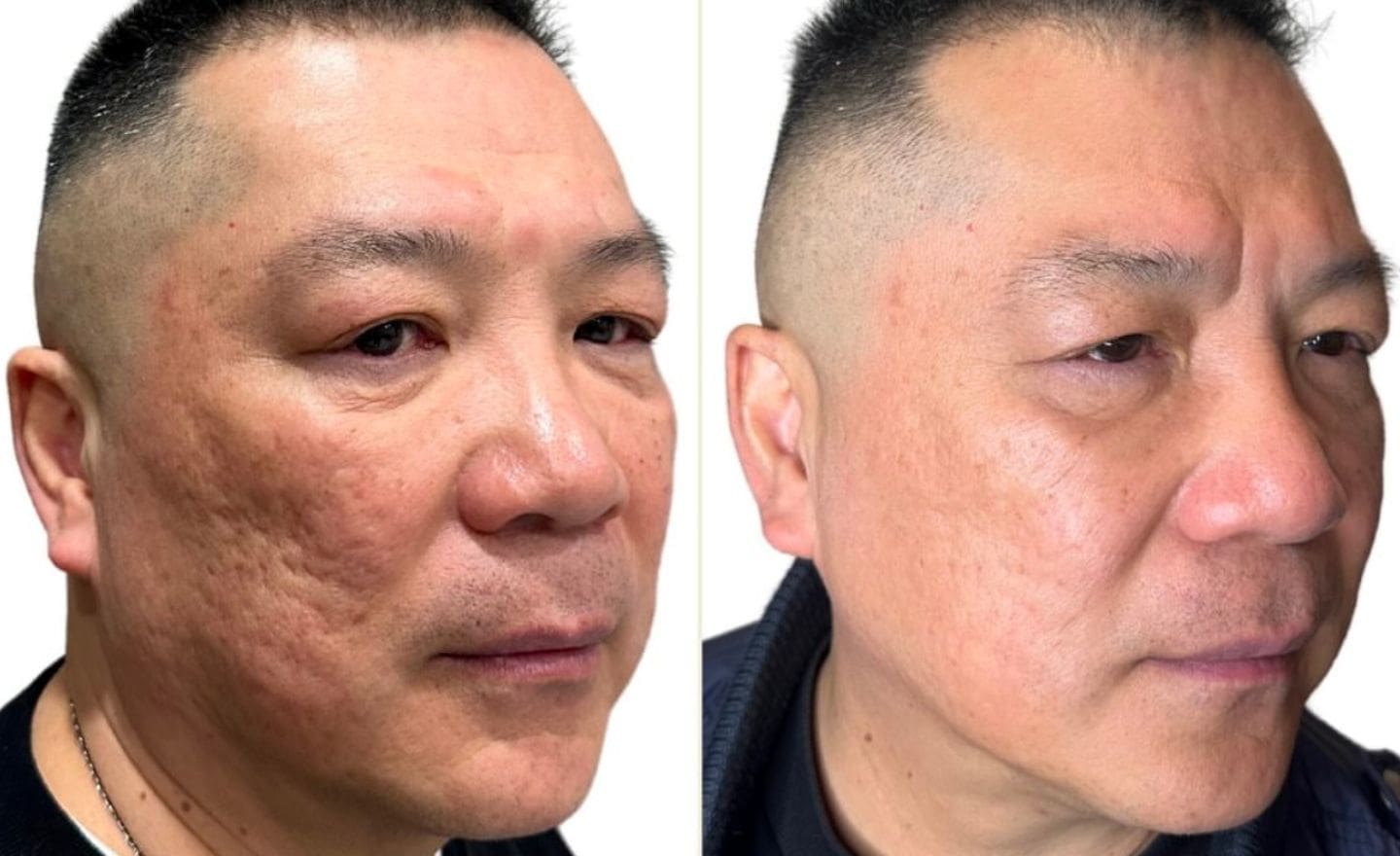
1. Infection
Microneedling opens hundreds of tiny channels into the skin. If your device, hands, or environment are not properly disinfected, bacteria and other microbes can be pushed into deeper layers. This can lead to:
- Local skin infections
- Worsening acne
- In more serious cases, scarring and persistent texture changes
Regulators highlight infection and scarring as key risks when microneedling devices are used incorrectly or in unsuitable candidates, as noted in the “Microneedling Devices: Getting to the Point on Benefits, Risks and Safety” consumer update from the US FDA.
2. Incorrect Depth and Overuse
Without guidance, it is easy to choose needles that are too long, or to treat too often:
- Excessive depth can cause bleeding, tissue trauma and scarring
- Treating again before the skin has fully recovered increases the risk of pigmentation and long-term damage
- Darker skin tones are particularly prone to post-inflammatory hyperpigmentation if microneedling is misused
Clinical protocols usually space treatments several weeks apart and adjust depths by area; this level of control is rarely followed at home.
3. Unsafe Product Combinations
Microneedling increases the absorption of whatever is on the skin. Combining at-home needling with strong acids, high-strength vitamin C or random product “cocktails” can result in:
In clinic, only products known to be safe and appropriate for use with microneedling are applied.
4. No Medical Screening
Microneedling is not suitable for everyone. Professional practitioners will screen for:
- Active acne, infections or cold sores
- Eczema, psoriasis or broken skin
- History of keloid scarring
- Recent procedures or medicines that affect healing
At home, these important checks are often skipped, which significantly increases risk.