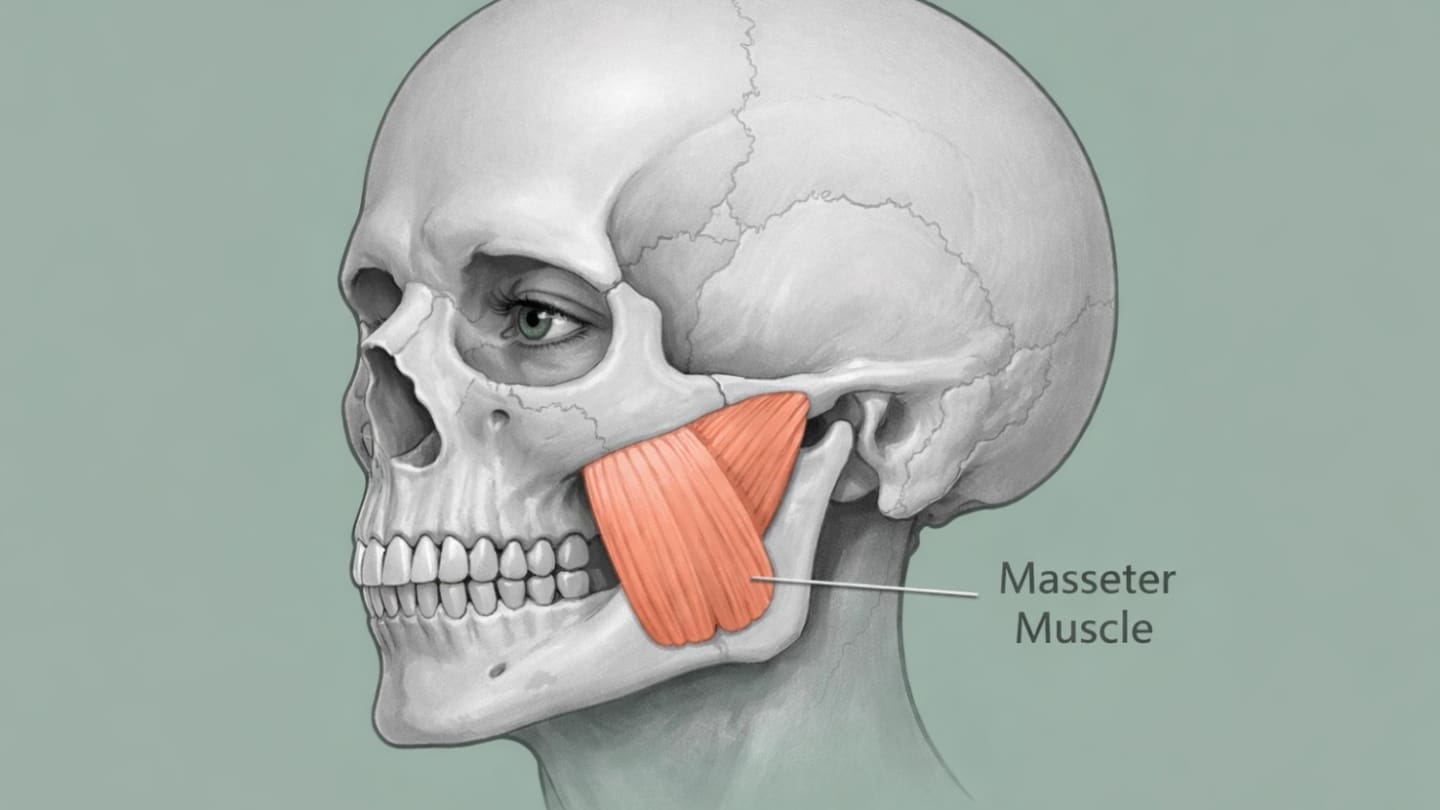
Scientific evidence supports the safety and efficacy of Masseter Botox when used for appropriate indications.
Clinical Evidence for Bruxism and Jaw Pain
Peer-reviewed studies and systematic reviews show that Botox injections into the masseter muscles can reduce bruxism-related pain, decrease muscle hyperactivity, and improve patient-reported jaw comfort. These benefits are documented in research exploring botulinum toxin for orofacial conditions, particularly when conventional treatments have not provided sufficient relief.
Evidence for safety and effectiveness is further supported by systematic reviews and clinical analyses from research organisations such as Cochrane, which recognise botulinum toxin type A as a validated intervention for specific neuromuscular conditions. Professional dental guidance from the British Dental Association also acknowledges its therapeutic role in managing dental and jaw-related disorders when delivered by qualified practitioners. Adverse effects are typically mild and transient when treatment follows established dosing guidelines.
Limitations and Ongoing Research
While the evidence base is strong, research continues to refine long-term outcomes and optimal protocols. This reflects the natural progression of medical science and does not undermine the established safety profile of Masseter Botox when used appropriately.
At Dr Hass Clinic, treatments are delivered by experienced medical professionals using individualised protocols designed to maximise effectiveness and minimise risk.
Read more on how Masseter Botox can actually treat teeth grinding here.